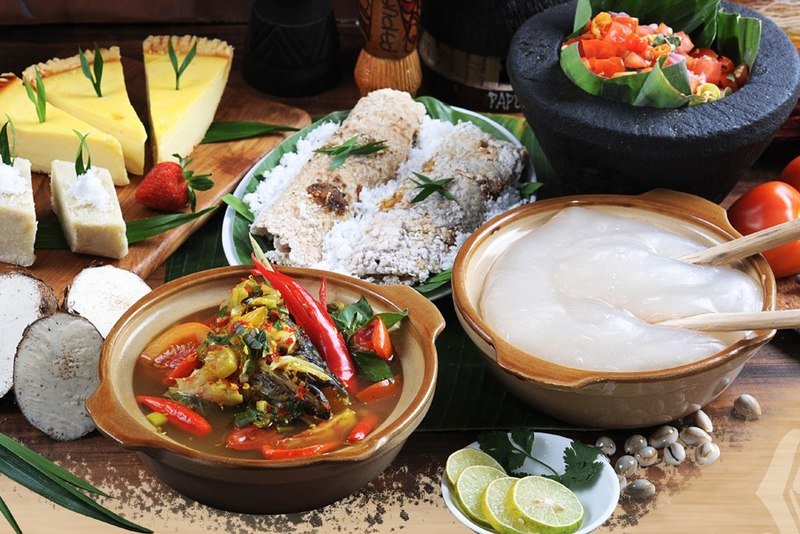
🌴 Introduction: Food Shaped by Islands, Sea, and Community
The food of Raja Ampat reflects the rhythm of island life.
Here, meals are shaped by what the sea provides, what the land can grow, and what communities have shared for generations.
Rather than elaborate techniques or heavy seasoning, Papuan cuisine focuses on simplicity, balance, and togetherness — values that mirror life onboard a small liveaboard.
🐟 Seafood & Sago: The Papuan Foundation
Unlike much of Indonesia, where rice dominates, sago plays a central role in Papuan food culture. Harvested from sago palms, it has sustained island communities for centuries.
Common ingredients across Raja Ampat include:
Reef fish caught daily
Sago flour
Cassava and sweet potato
Coconut
Bananas and leafy greens
Fishing is small-scale and seasonal, meaning meals change depending on what the ocean offers.
🍽 Traditional Papuan Dishes You May Encounter
Papeda
A warm, elastic sago porridge served with lightly spiced fish soup. It’s a cultural staple and often eaten communally.
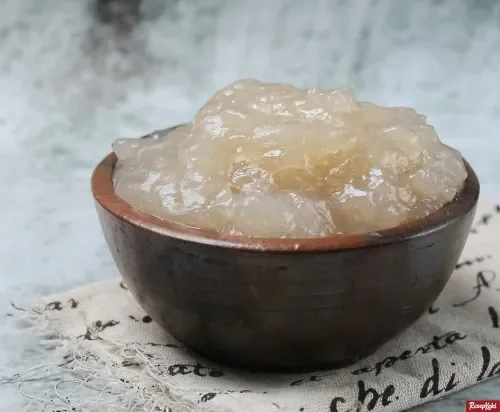
Papeda
Ikan Kuah Kuning
Fish cooked in turmeric, lime, lemongrass, and herbs. Light, fragrant, and ideal after long days in the water.
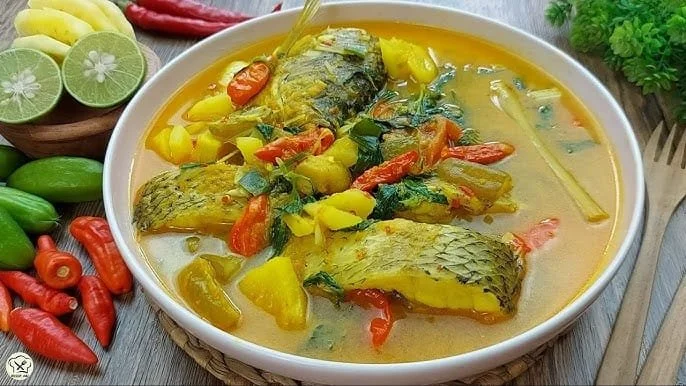
Ikan Kuah Kuning
Ubi & Singkong
Boiled or roasted tubers that provide slow energy and are commonly paired with fish dishes.

Ubi & Singkong
Banana-Based Snacks
Steamed, fried, or roasted bananas are a daily food across the islands.
🌱 Food as a Reflection of Respect
Papuan cooking is guided by:
Using what is available
Avoiding waste
Sharing meals together
These values align closely with responsible travel and low-impact liveaboard operations in Raja Ampat.
🍛 Food Onboard a Raja Ampat Liveaboard
Liveaboards in Raja Ampat adapt Papuan flavours into approachable Indonesian meals that suit active dive days.
Guests can expect:
Rice-based meals with local influences
Fresh fish soups and grilled seafood
Vegetables, fruit, and light curries
Filling, balanced dinners after diving
The focus is on nutrition, comfort, and consistency, not restaurant-style presentation.
Planning your own trip? Explore our 11-day Raja Ampat liveaboard itinerary for the route, trip inclusions and current prices.
🌊 Why Food Matters on a Dive Trip
Diving multiple times a day demands energy. Meals onboard are designed to:
Support recovery between dives
Stay light and digestible
Keep guests comfortable in tropical conditions
Good food enhances the entire liveaboard experience — both underwater and above deck.