Komodo Marine Life Guide: Sharks, Manta Rays & Reef Ecosystems

Komodo Marine Life Guide: Sharks, Manta Rays & Reef Ecosystems

What marine life can you see in Komodo?

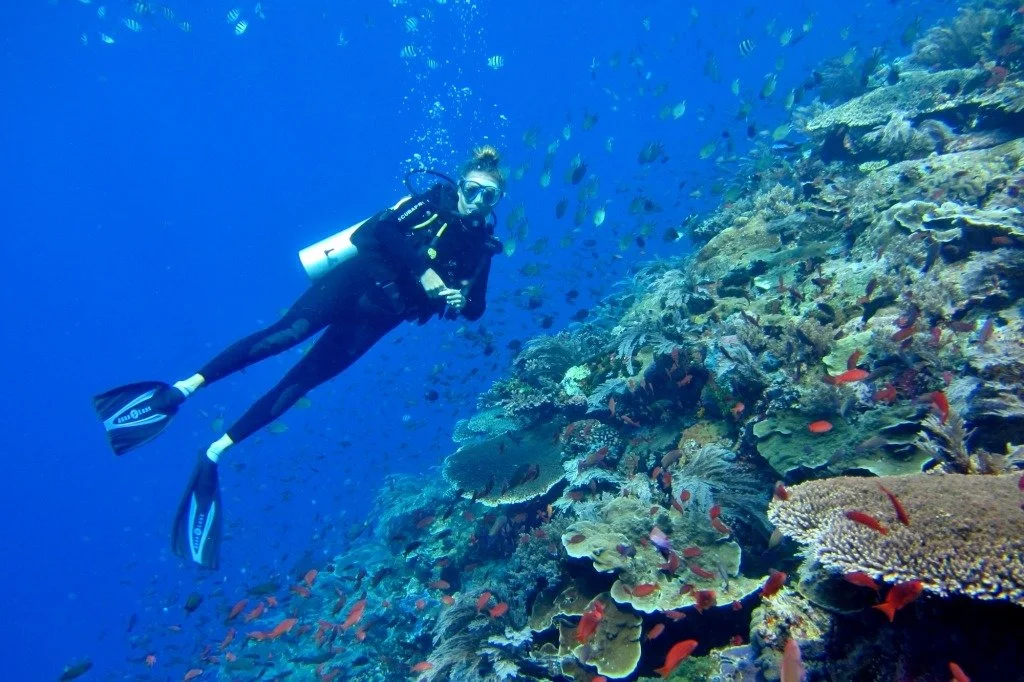
Komodo National Park is one of the most biodiverse marine environments in the world, where divers regularly encounter sharks, manta rays, vibrant coral reefs, and massive schools of fish — all driven by powerful ocean currents.

Schooling Fish in Komodo: Why the Ocean Comes Alive

Schooling Fish in Komodo: Why the Ocean Comes Alive

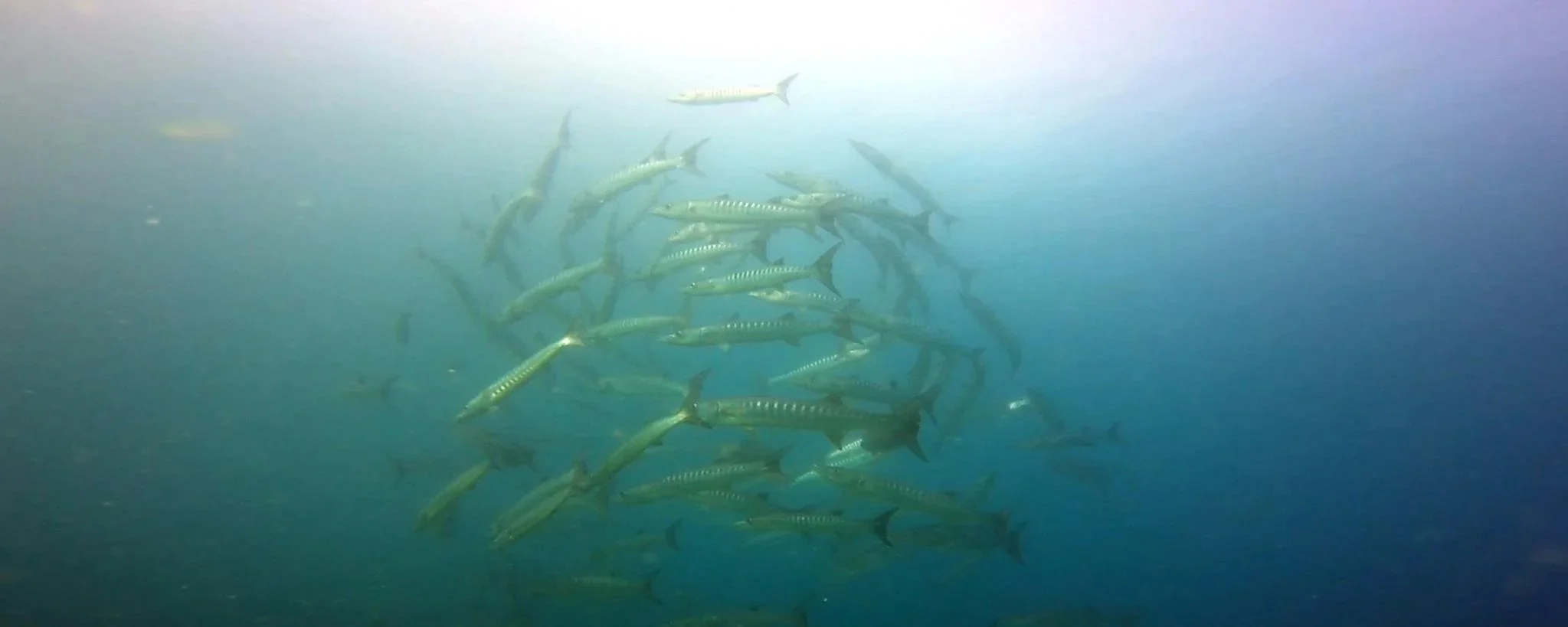
Where can you see schooling fish in Komodo?

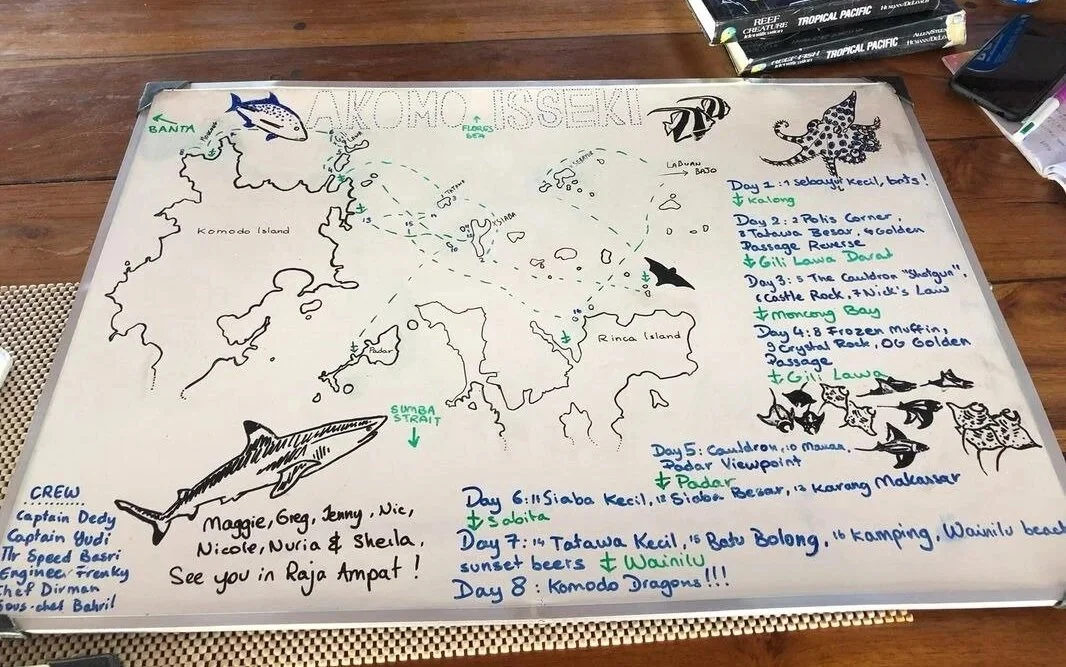
Schooling fish are seen across many dive sites in Komodo National Park, especially at current-rich locations like Castle Rock, Crystal Rock, and The Cauldron, where nutrient flow attracts massive concentrations of marine life.

Why Komodo’s Coral Reefs Are So Healthy (And What Divers See)

Why Komodo’s Coral Reefs Are So Healthy (And What Divers See)

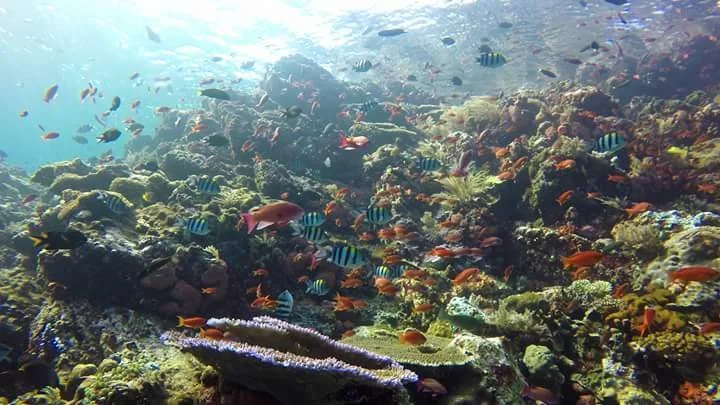
Why are coral reefs in Komodo so healthy?

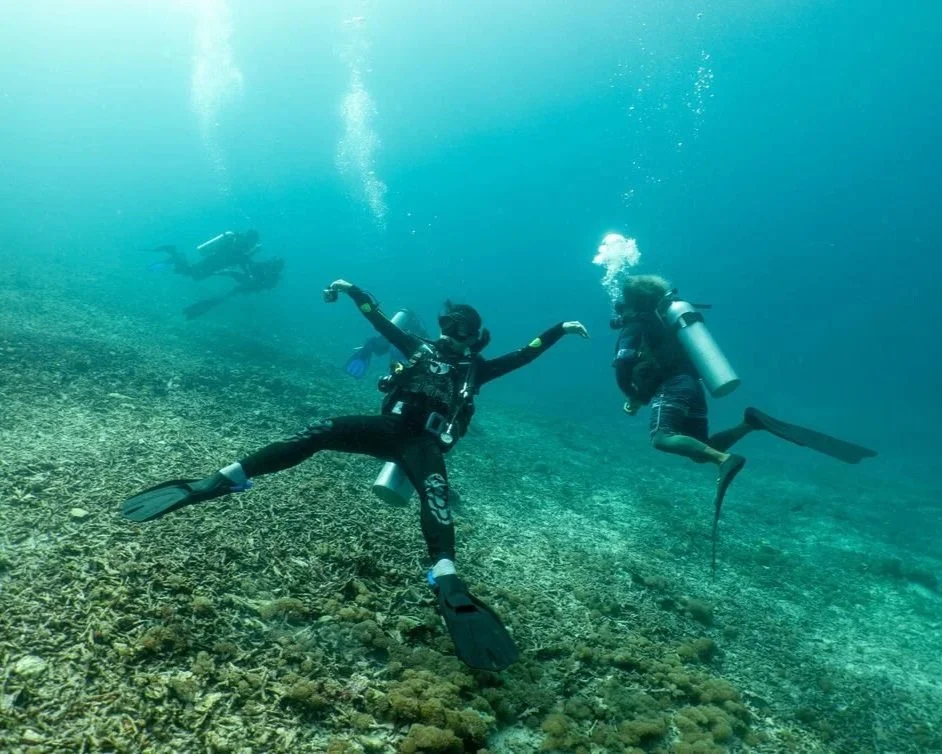
Coral reefs in Komodo National Park are exceptionally healthy due to strong ocean currents, nutrient-rich water, and strict marine protection. These conditions create one of the most biodiverse reef systems in the world.

Manta Rays in Komodo: Best Dive Sites, Conditions & What to Expect

Manta Rays in Komodo: Best Dive Sites, Conditions & What to Expect

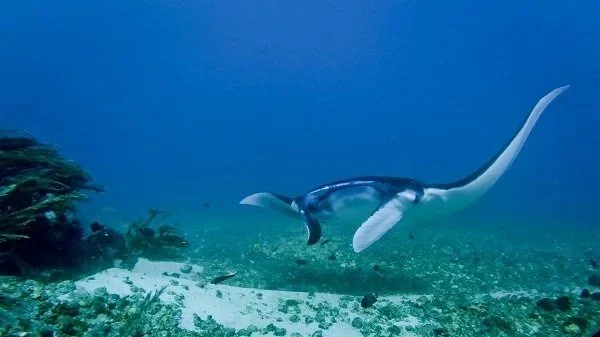
Where can you see manta rays in Komodo?

Manta rays are most commonly seen in Komodo National Park at sites like Karang Makassar (Manta Point) and Manta Alley. These sites work best when currents are flowing steadily, bringing plankton and creating ideal feeding conditions.

Where to See Sharks in Komodo

Where to See Sharks in Komodo

Is it easy to see sharks in Komodo?

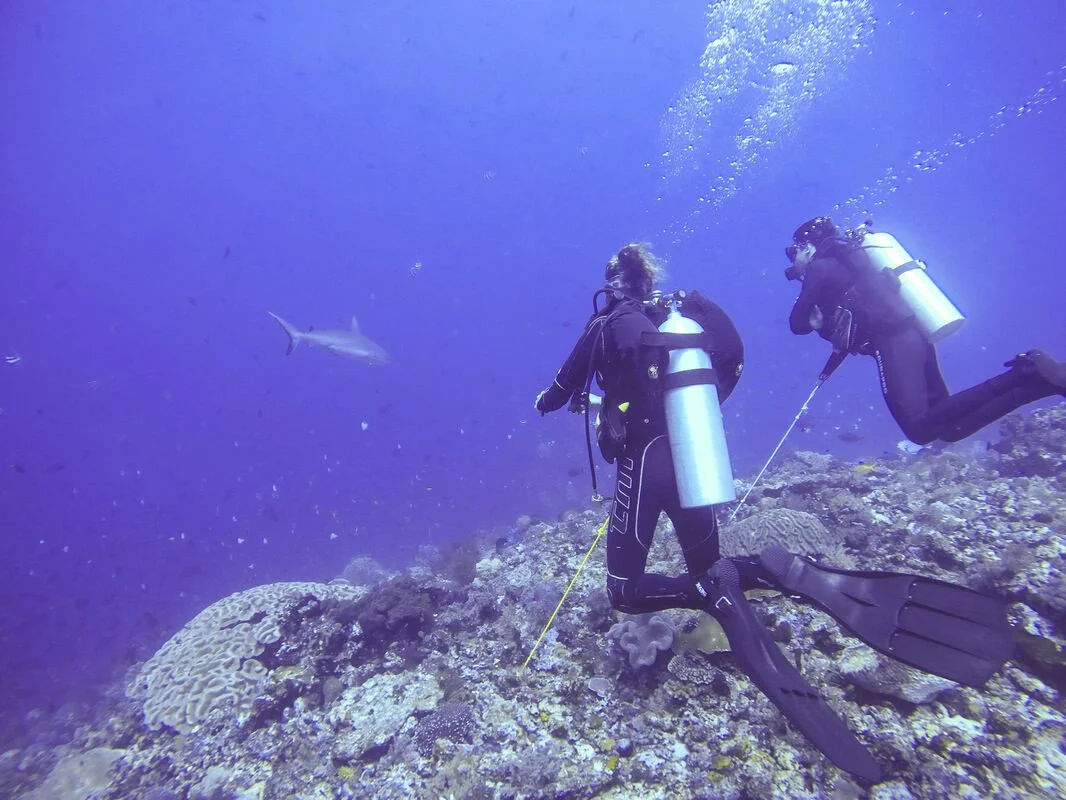
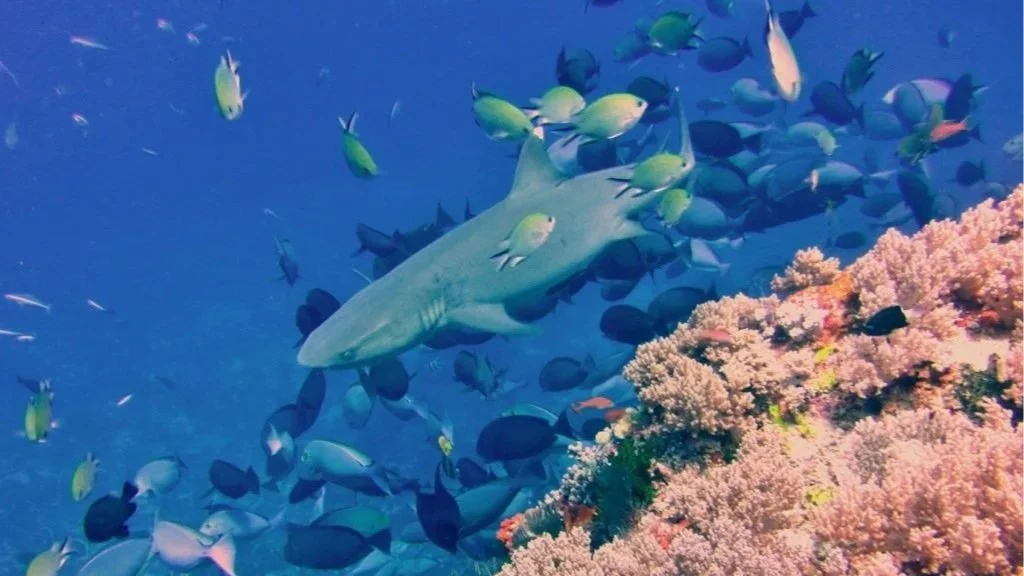
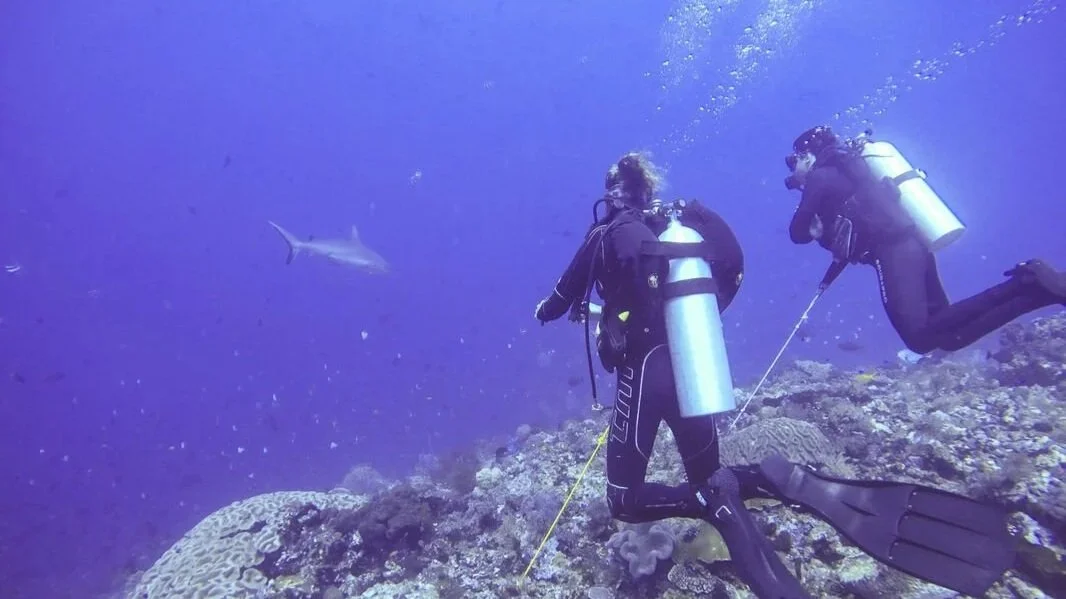
Yes — sharks are commonly seen while diving in Komodo National Park, especially at current-rich dive sites like Castle Rock and Crystal Rock. The key factor is timing your dive correctly with the right current conditions.

How Liveaboard Dive Planning Improves Safety in Komodo

How Liveaboard Dive Planning Improves Safety in Komodo

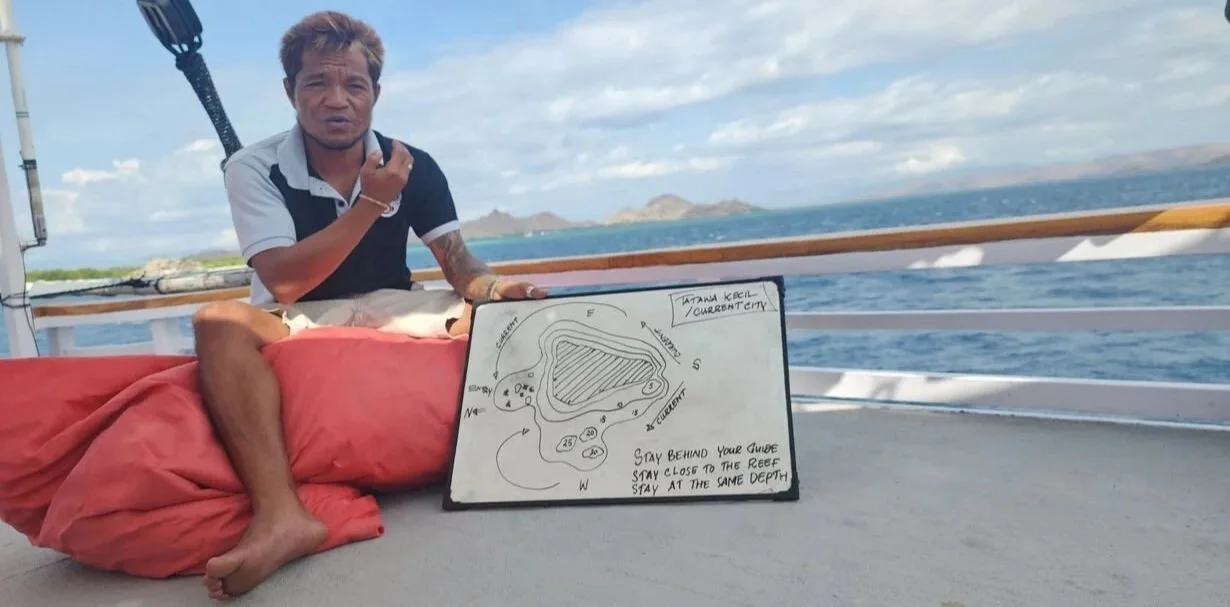
Why Dive Planning Matters in Komodo

Is diving in Komodo safe?

Yes — but only when it’s planned properly.

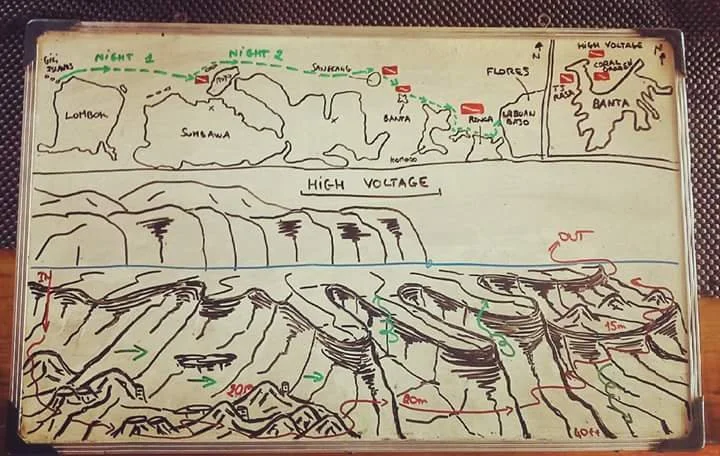
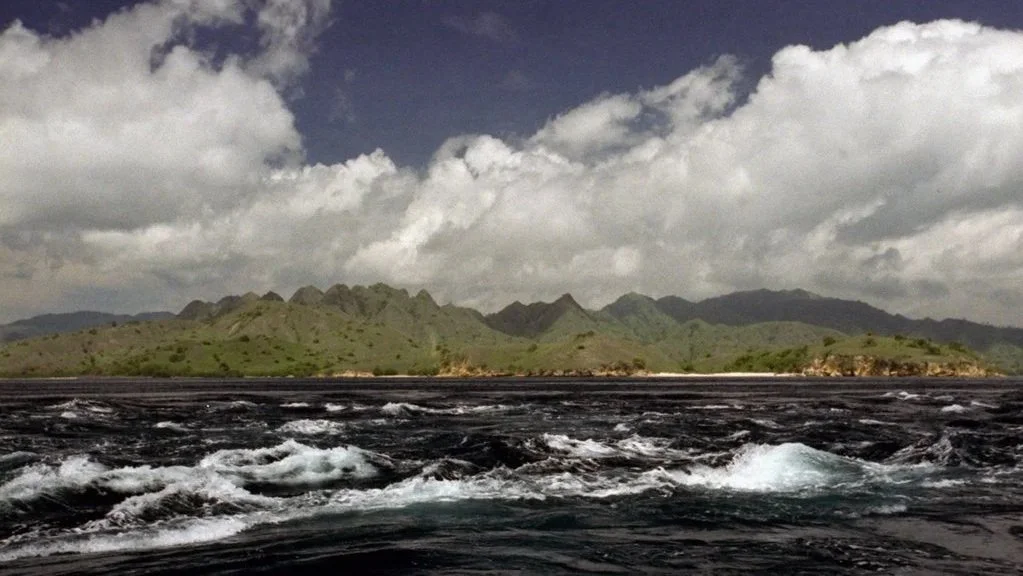
Diving in Komodo National Park is not like diving in calm, predictable environments. The region is driven by powerful tidal exchanges, meaning conditions can change dramatically within hours.

What Certification Do You Really Need for Komodo Diving?

What Certification Do You Really Need for Komodo Diving?

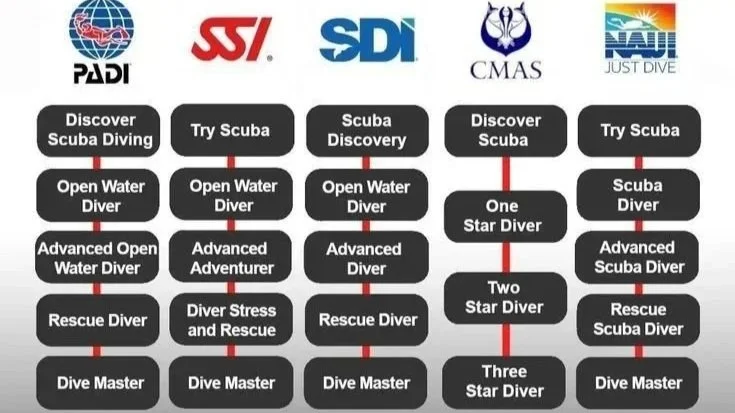
Introduction: Can You Dive Komodo?

One of the most common questions about Komodo National Park is:

👉 Do I need to be an expert diver?

The answer is no.
But Komodo is not a beginner training destination either.

It sits in a middle ground:

👉 accessible to many divers
👉 but best suited to those who are comfortable underwater

Understanding the real requirements helps you enjoy the experience — instead of worrying about it.

Understanding Komodo Sea Conditions

Understanding Komodo Sea Conditions

Introduction: Why Conditions Matter in Komodo

Diving in Komodo National Park is shaped entirely by the ocean.

Unlike many destinations where conditions stay consistent, Komodo changes daily.
Currents shift. Visibility evolves. Water temperature fluctuates.

Understanding these elements doesn’t just improve your dives — it helps you understand why Komodo is one of the most biologically rich marine environments on Earth.

Is Diving in Komodo Safe? Understanding Real Conditions

Is Diving in Komodo Safe? Understanding Real Conditions

Introduction: Why This Question Matters

Many divers researching Komodo National Park ask the same question:

👉 Is diving there safe?

The short answer is yes.
But Komodo is not a passive reef destination.

It is a living marine environment shaped by tides, geography and nutrient-rich currents.
Understanding how conditions work — and how professional liveaboard teams manage them — is what makes the difference between uncertainty and confidence.

Best Komodo Dive Sites for Drift Diving

Best Komodo Dive Sites for Drift Diving

Introduction: Drift Diving Is the Language of Komodo

Drift diving isn’t a side activity in Komodo National Park — it’s the heartbeat of the ecosystem.

Reefs here evolved with moving water. Fish expect current. Coral thrives in flow. Predators patrol the edges.

For divers, this means some of the most dynamic underwater experiences on Earth — when guided correctly and timed with the tides.

This guide highlights the Komodo sites where drift diving is not just possible… it’s spectacular.