
Origins, Migration & Indonesia’s Legendary Boat Builders
🌏 Introduction: The Seafaring Architects of Indonesia
The story of Indonesia’s wooden liveaboard boats begins long before tourism, long before modern harbours, and even before the concept of Indonesia as a nation.
It begins with the Bugis people — one of the most important maritime cultures in Southeast Asia.
Originating from South Sulawesi, the Bugis developed a shipbuilding tradition that has survived for centuries. Their vessels carried spices across oceans, connected remote islands, and shaped the maritime identity of the archipelago.
Today, that same tradition lives on in the handcrafted wooden boats that still sail Indonesian waters.
🧭 Where the Bugis Came From
The Bugis are an Austronesian ethnic group native to South Sulawesi. Historical records and oral traditions suggest they developed as a coastal and riverine society deeply dependent on maritime trade.
By the 14th century, Bugis sailors were already known as:
Navigators
Traders
Shipbuilders
Explorers
They built networks that stretched across Indonesia, Malaysia, Papua, and beyond.
Migration was not accidental — it was cultural.
The Bugis viewed the sea not as a boundary, but as a highway.
This mindset laid the foundation for one of the world’s most enduring boat-building cultures.
⚒ The Birth of the Phinisi Tradition
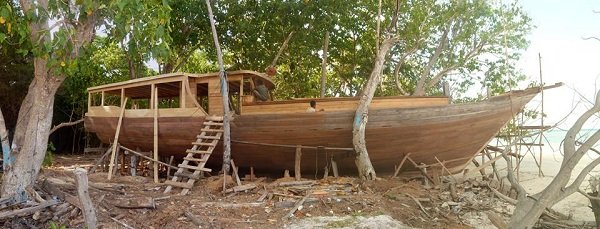
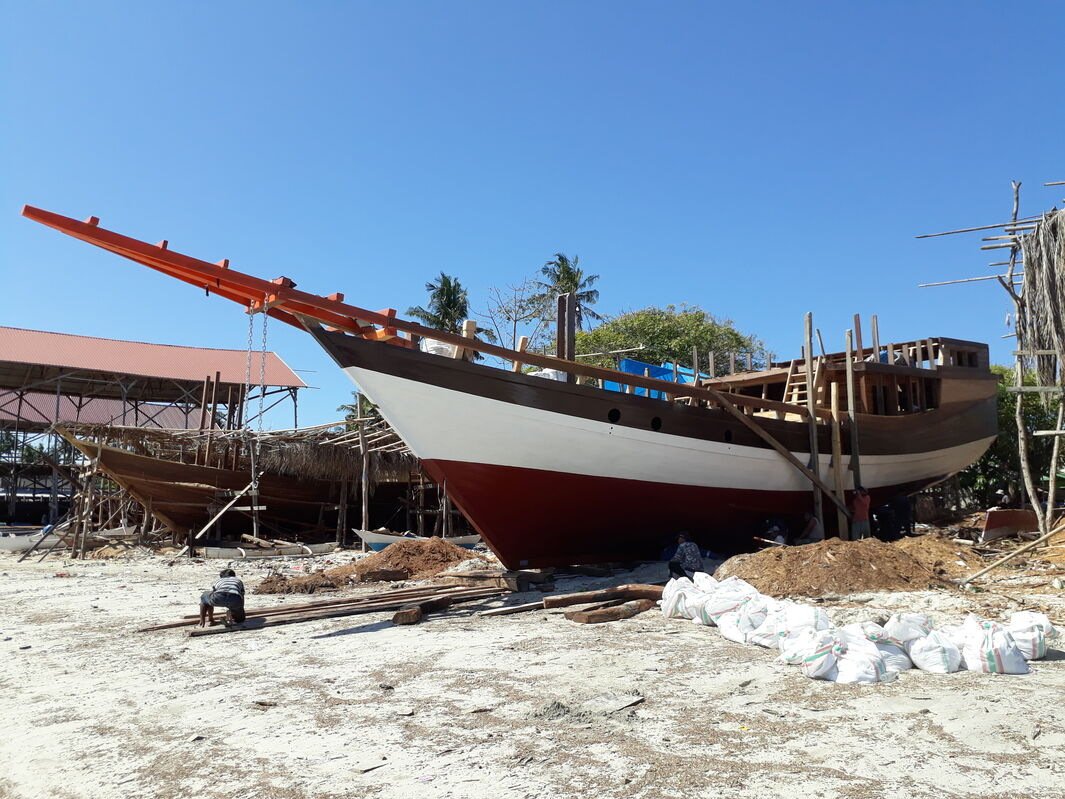
The Bugis are most famous for building the phinisi, a two-masted wooden sailing vessel that remains one of Indonesia’s most iconic boat designs.
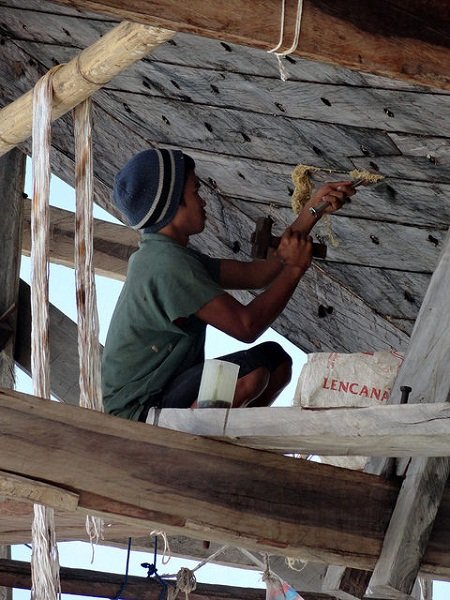
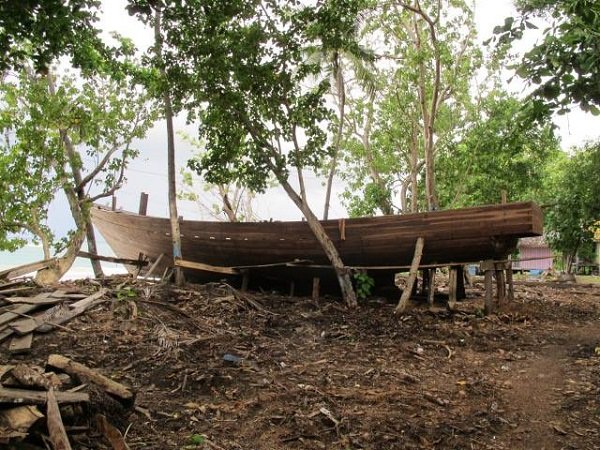
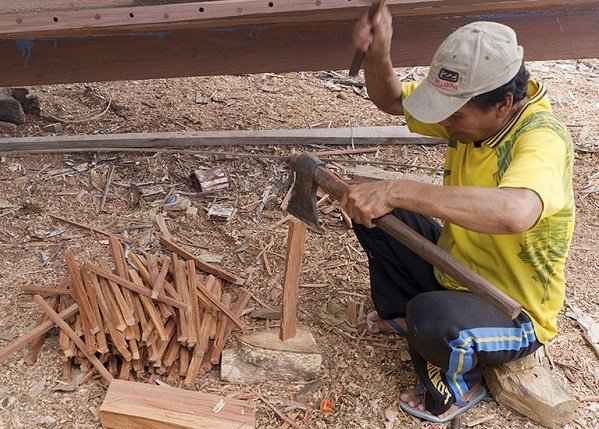
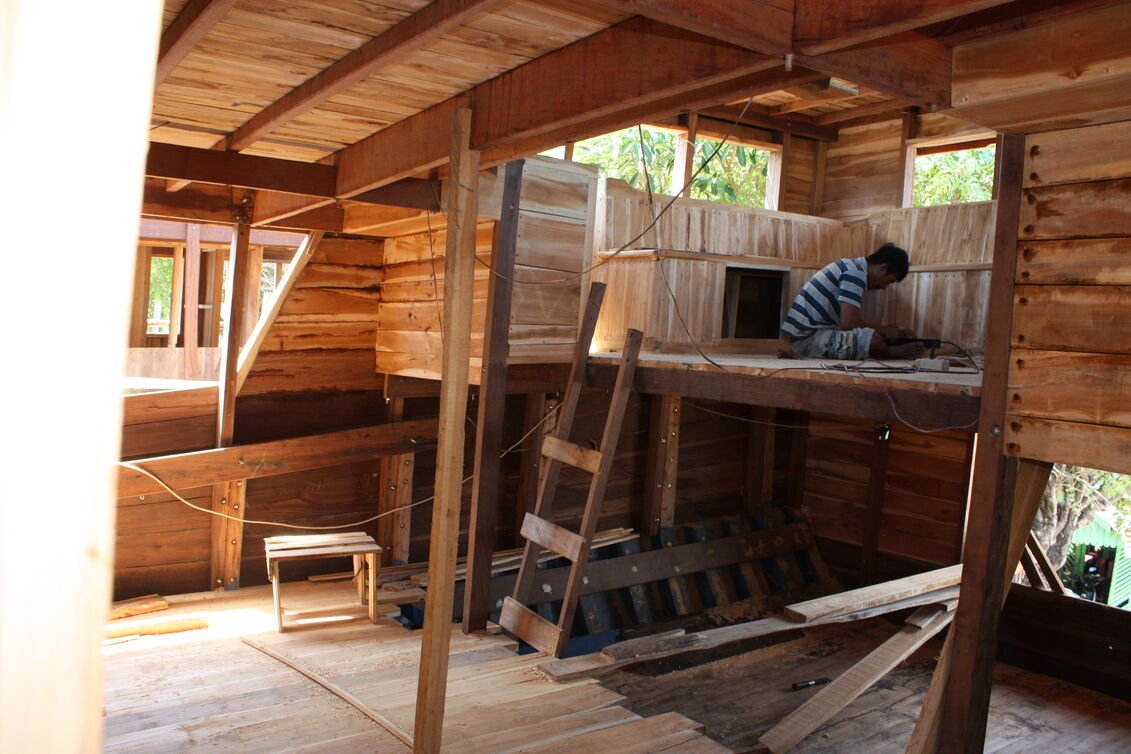
Phinisi construction is not industrial.
It is:
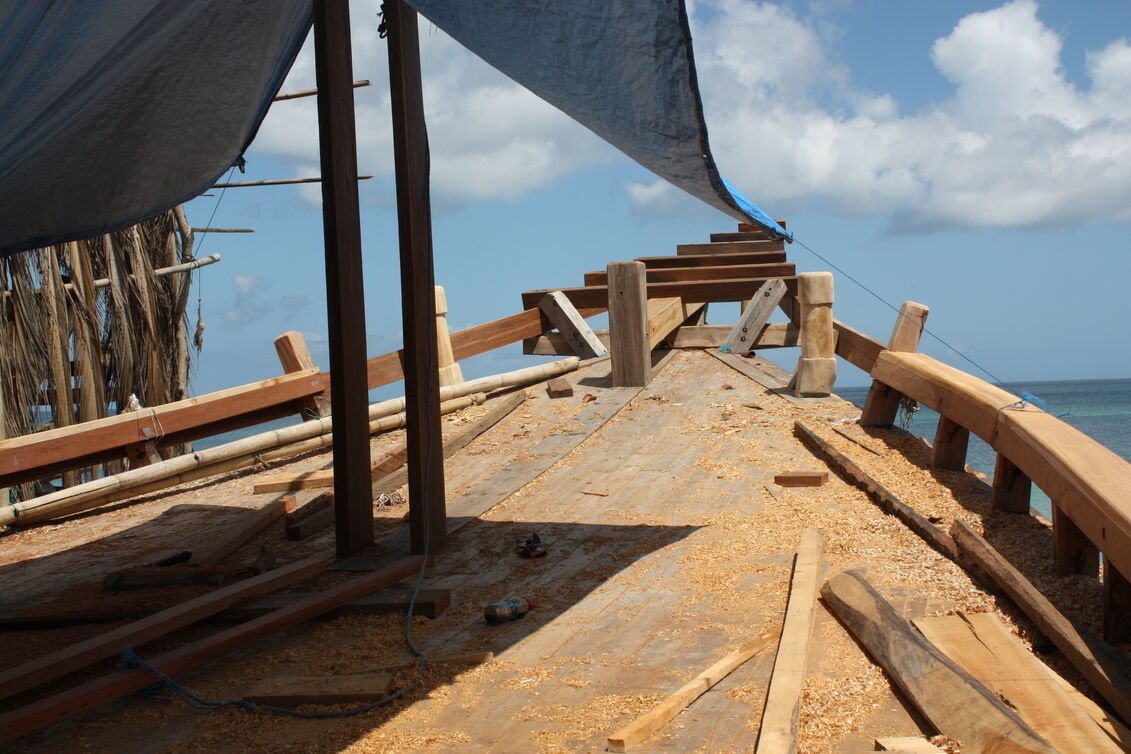
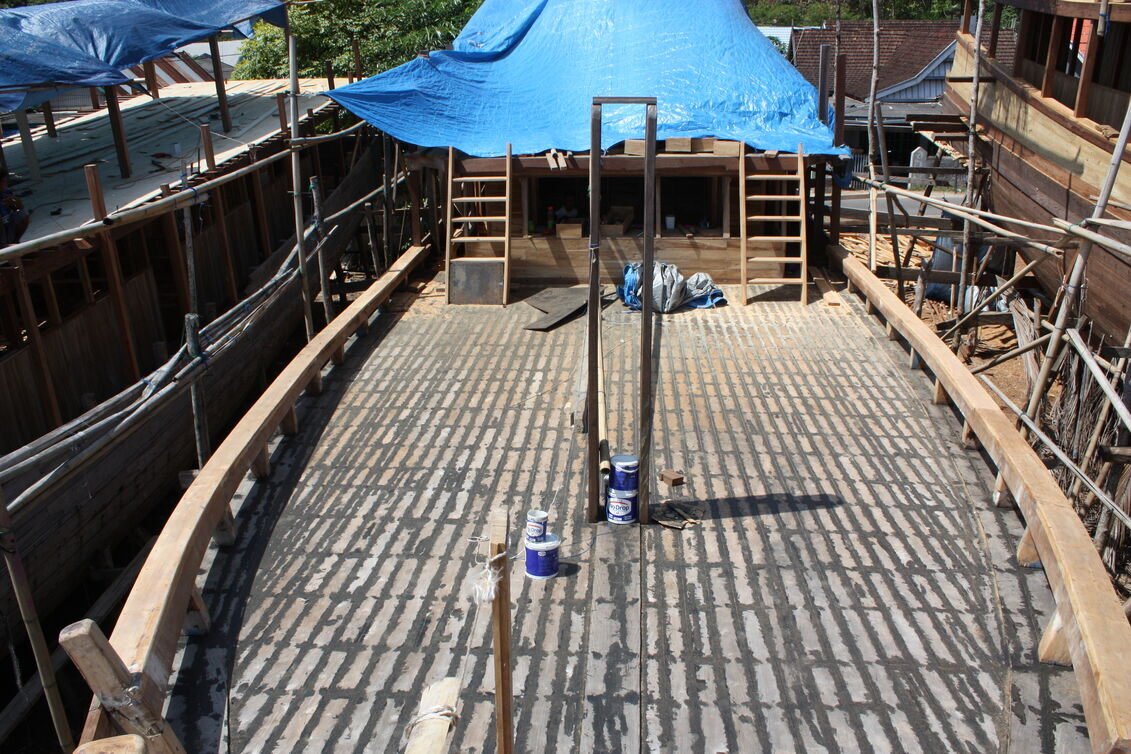
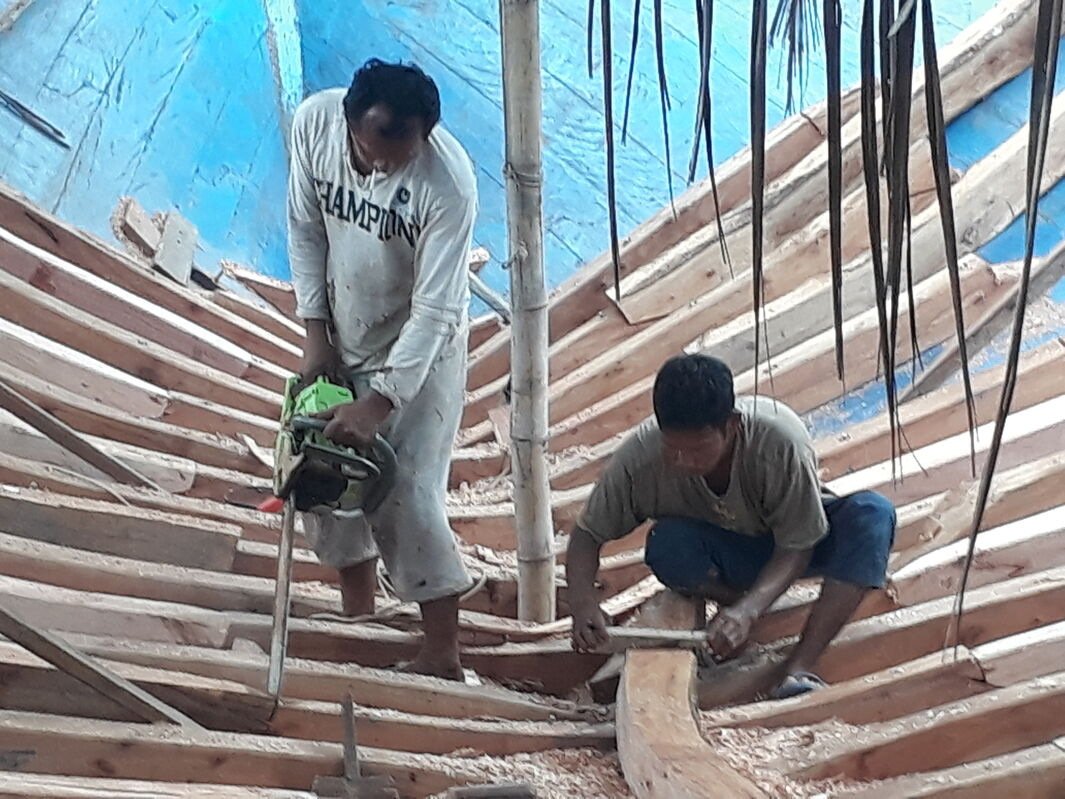
Hand-built
Ritual-driven
Family-taught
Spiritually significant
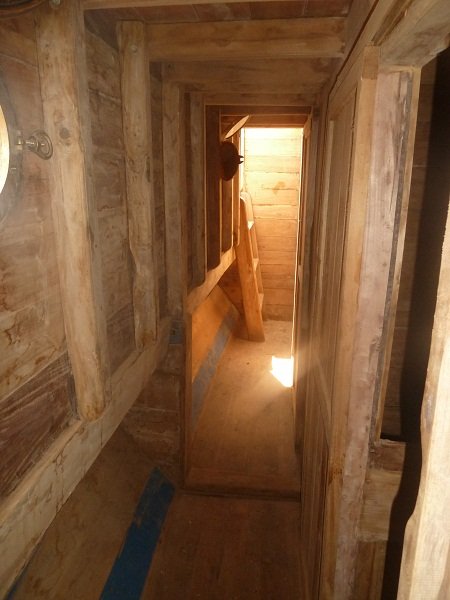
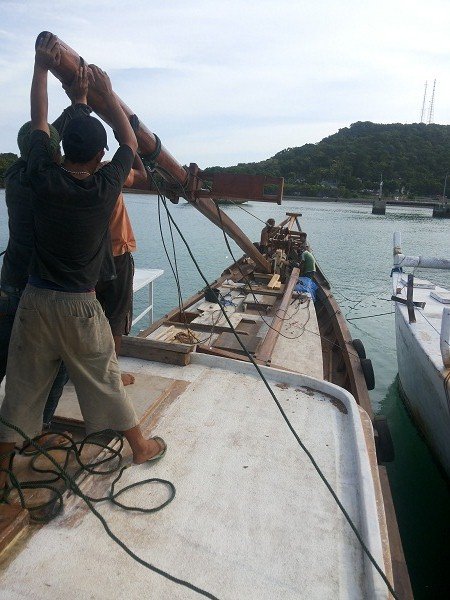
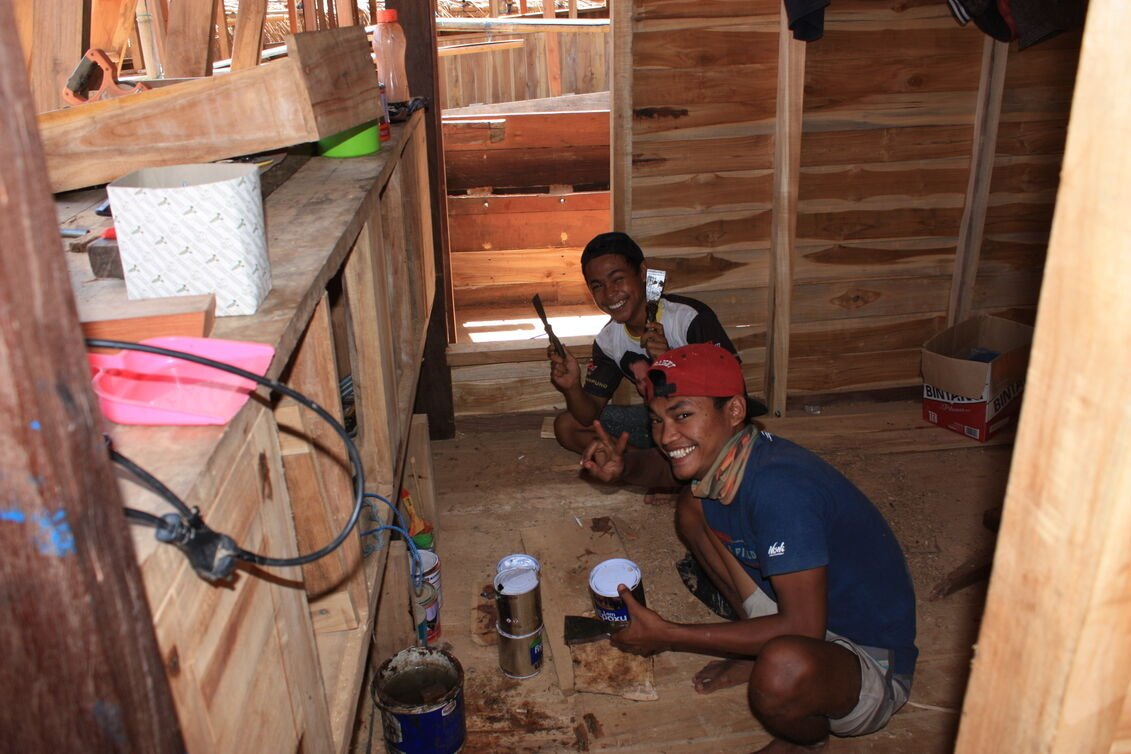
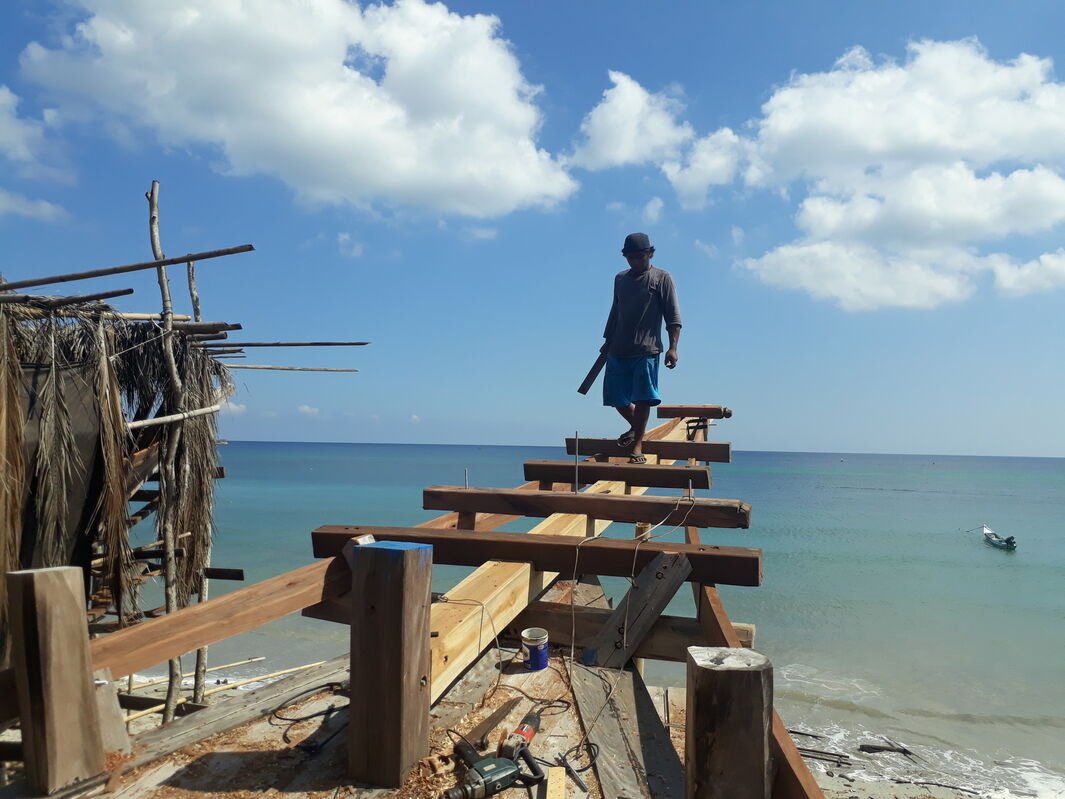
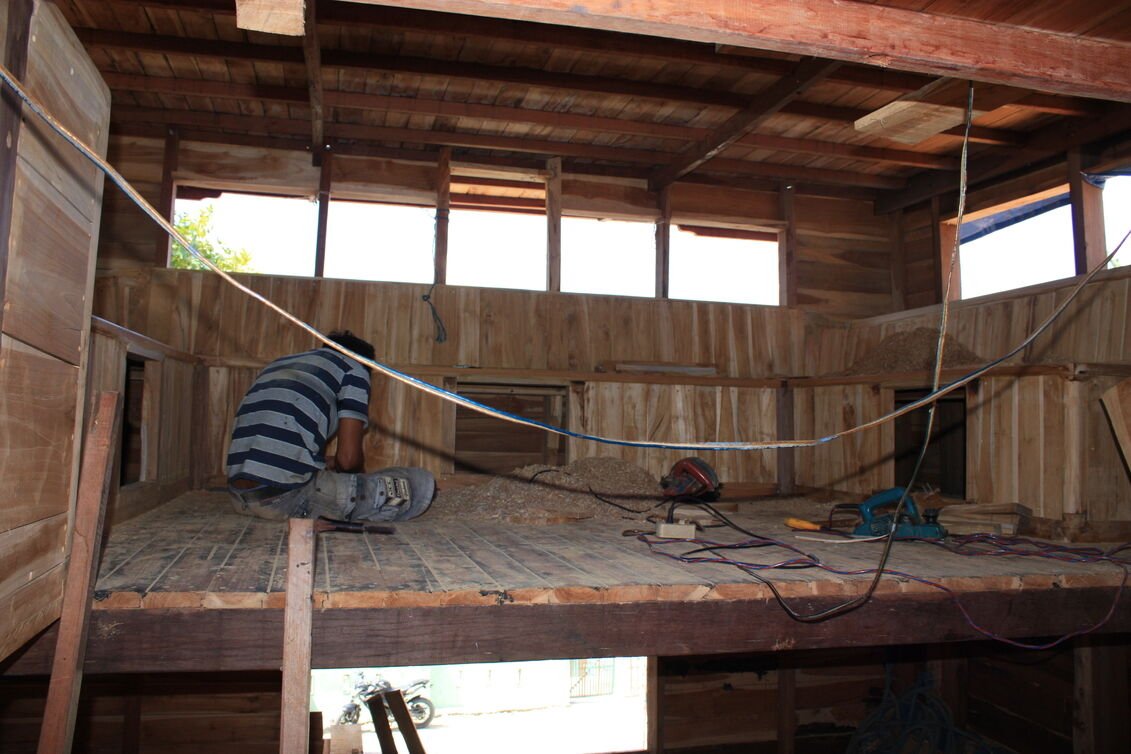
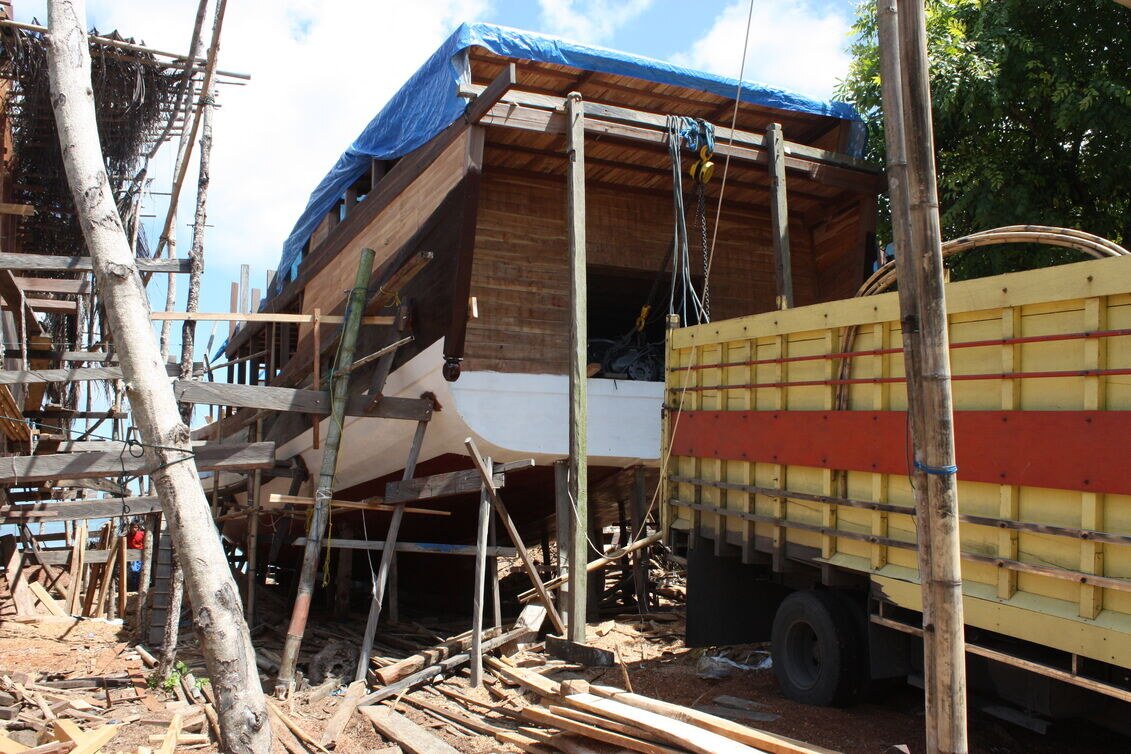
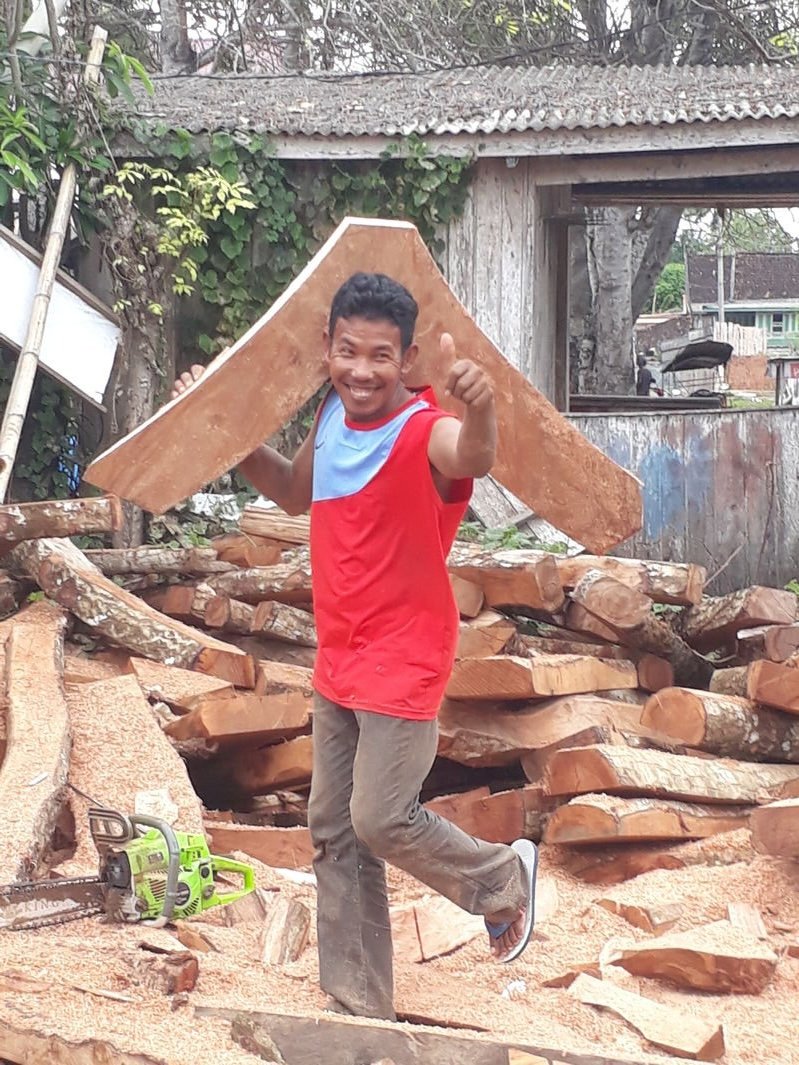
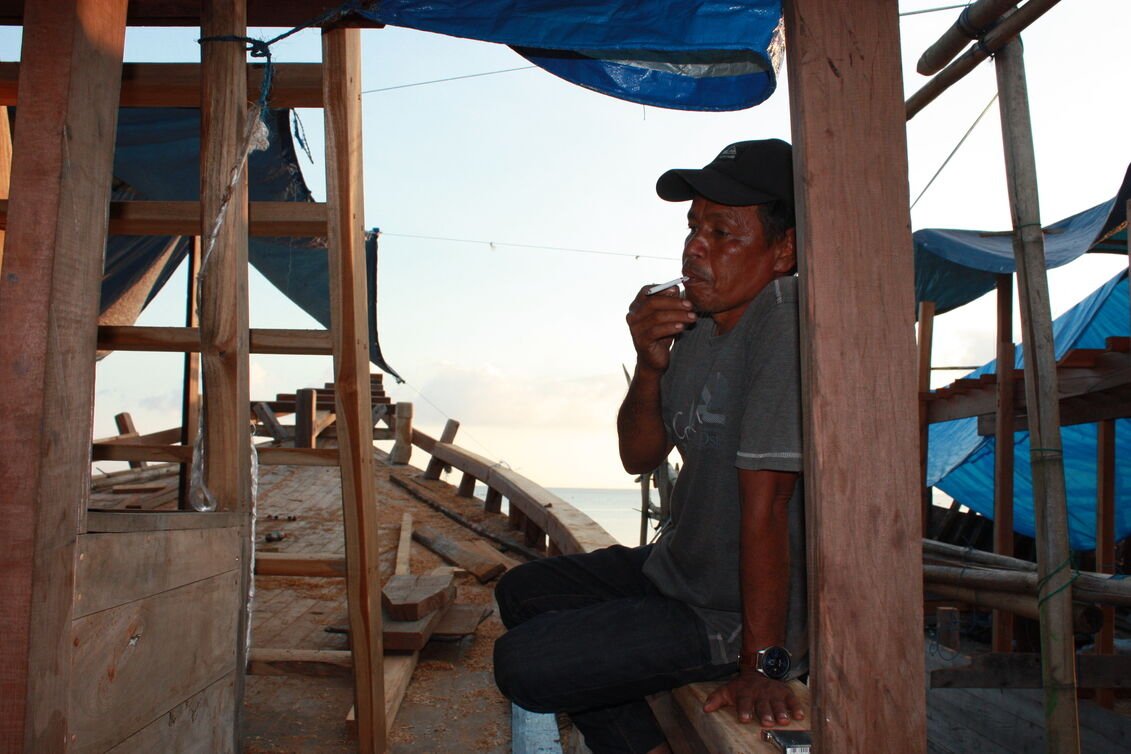
Boat building villages such as Tana Beru and Bulukumba still construct vessels using techniques passed down through generations.
No blueprints.
No modern shipyards.
Just memory, measurement by eye, and inherited skill.
Each boat is considered alive — a living object shaped by both craftsmanship and belief.
🌊 Boat Building as Cultural Identity
For the Bugis, shipbuilding is not just an occupation.
It is a cultural expression tied to:
Ancestral knowledge
Spiritual ritual
Community identity
Survival
Certain trees are chosen with ceremony.
The keel is laid during auspicious times.
Every stage carries symbolic meaning.
A phinisi is not assembled — it is born.
This philosophy explains why Bugis-built boats are respected not only as vessels, but as cultural artifacts.
🛶 From Spice Trade to Modern Liveaboards
Historically, Bugis ships transported:
Nutmeg and cloves from the Spice Islands
Rice and textiles across Indonesia
Timber and ceramics between ports
Entire communities during migration
Their boats were built to survive open ocean crossings, storms, and long journeys.
Today, the same hull philosophy supports:
Expedition vessels
Traditional cargo ships
Research boats
Indonesian liveaboards
Modern dive boats built by Bugis craftsmen still carry the DNA of those early trading ships.
When guests board a wooden Indonesian liveaboard, they are stepping onto a continuation of a 600-year maritime story.
🌱 Why Traditional Boat Building Still Matters
In a world dominated by fiberglass and steel, Bugis boat building represents:
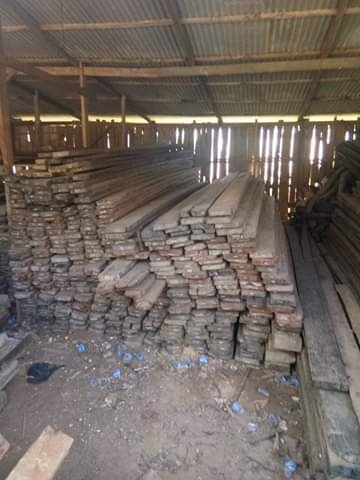
Sustainability through natural materials
Longevity through craftsmanship
Cultural preservation
Community livelihoods
Each new boat supports:
Local carpenters
Timber workers
Village economies
Maritime heritage
This is not nostalgia — it is living tradition.

🌍 The Global Recognition of Bugis Craftsmanship
Phinisi shipbuilding has gained international attention as one of the world’s last large-scale wooden boat traditions.
Travelers, historians, and maritime experts recognize Bugis builders as guardians of a rare and fragile knowledge system.
Their boats are not museum pieces.
They still work.
They still sail.
They still carry people across Indonesia every day.
⚓ A Legacy That Continues to Sail
The Bugis people transformed the sea into a cultural homeland.
Their boats connected islands long before modern borders existed, and their craftsmanship continues to shape how Indonesia moves across water.
Every traditional wooden vessel launched today is part of an unbroken chain stretching back centuries.
And that is why stepping aboard a Bugis-built boat is more than transportation — it is entering a living history.