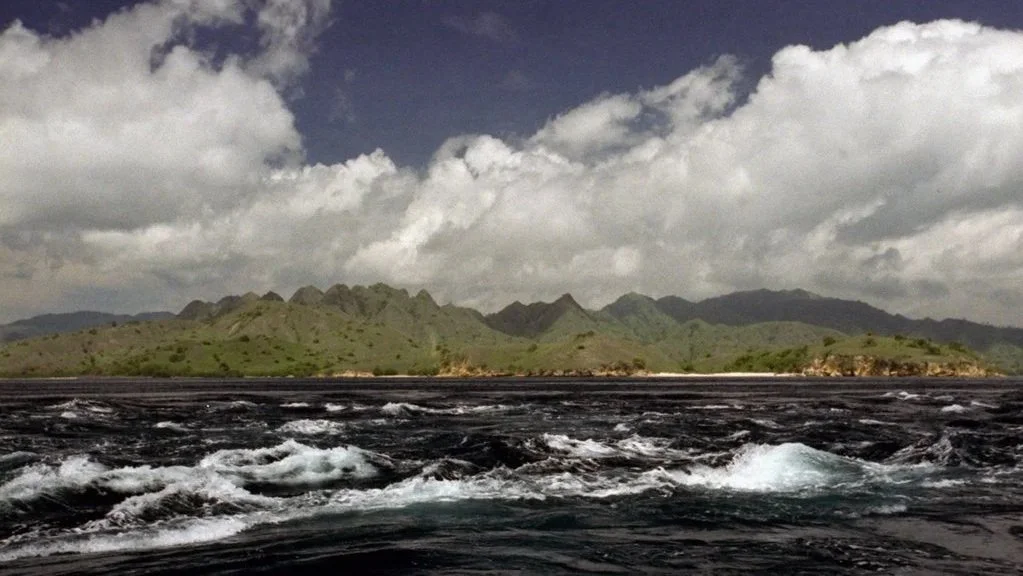
Quick Answer: What are Komodo sea conditions like?
strong but predictable tidal currents
visibility varies with plankton and season
water temperatures typically mid-high 20s°C
conditions change daily across the park
experienced guides adapt dives to the ocean
Komodo conditions are dynamic — and that’s exactly what makes the diving world-class.
🌏 Introduction: Why Conditions Matter in Komodo
Diving in Komodo National Park is shaped entirely by the ocean.
Unlike many destinations where conditions stay consistent, Komodo changes daily.
Currents shift. Visibility evolves. Water temperature fluctuates.
Understanding these elements doesn’t just improve your dives — it helps you understand why Komodo is one of the most biologically rich marine environments on Earth.
🌊 Currents: The Driving Force of Komodo
Currents are the most defining feature of Komodo diving.
They are created by tidal exchanges between:
the Indian Ocean
the Flores Sea
As water moves between islands, it accelerates through narrow channels, creating:
steady drift currents
occasional stronger flow zones
nutrient-rich upwellings
Importantly, these currents are predictable.
Professional liveaboard teams plan dives based on:
tide timing
current direction
site positioning
This turns what might seem unpredictable into a structured and controlled experience.
👁 Visibility: Why It Changes
Visibility in Komodo is not constant — and that’s a good thing.
It is influenced by:
Plankton levels
Nutrient-rich water supports marine life, but can reduce visibility slightly.
Currents
Stronger flow often improves clarity by flushing water through reefs.
Location
Some sites are naturally clearer than others depending on exposure.
Seasonal shifts
Different months bring subtle changes in water conditions.
Typical visibility ranges from:
moderate reef visibility
to very clear blue-water conditions
Lower visibility often means more marine life activity, especially for mantas and feeding fish.
🌡 Water Temperature: What to Expect
Komodo’s water temperature varies throughout the park.
Divers can experience:
warmer tropical water in some areas
cooler, nutrient-rich water in others
occasional thermoclines (sudden temperature drops)
These cooler layers are a key part of Komodo’s ecosystem — bringing nutrients that support coral growth and fish populations.
Most divers remain comfortable with appropriate exposure protection such as a 3mm long wetsuit.
🧪 Thermoclines: The Hidden Layer
Thermoclines are common in Komodo.
These are layers where:
warmer surface water meets cooler deeper water
Crossing a thermocline can feel like:
a sudden temperature drop
a brief “cool current” passing through
While noticeable, they are completely normal and often signal nutrient-rich water movement — which means more marine life nearby.
🐟 How Conditions Affect Marine Life
Komodo’s sea conditions directly shape what divers see.
currents bring food → fish gather
plankton attracts mantas
cooler water feeds coral
visibility shifts signal ecosystem activity
Instead of being a drawback, changing conditions are the reason Komodo offers:
dense fish populations
predator-rich reefs
active underwater environments
⚓ Why Liveaboards Adapt Best to Conditions
Sea conditions in Komodo change daily — sometimes hourly.
Liveaboards have a major advantage because they can:
adjust dive timing to tides
select sites based on conditions
avoid less favourable areas
maximise the best windows each day
This flexibility ensures guests experience Komodo at its best — not just at fixed times.
✔ Why Trust This Guide
based on real liveaboard operations
reflects actual dive planning conditions
informed by daily tide and route decisions
used by divers preparing for Komodo trips
Liquid Adventures Indonesia operates small-group expeditions, allowing dive teams to respond to real-time ocean conditions.
🌅 Understanding Conditions Changes Everything
Many divers arrive expecting “perfect conditions.”
But Komodo isn’t about perfection — it’s about energy, movement, and life.
Once you understand how currents, visibility, and temperature interact, dives become:
more predictable
more enjoyable
more rewarding
You stop reacting to the ocean — and start reading it.
📅 Planning Your Komodo Trip
Komodo trips typically run:
multiple dives per day
flexible routing based on conditions
Choosing a liveaboard ensures your dives are planned around the ocean — not the clock.