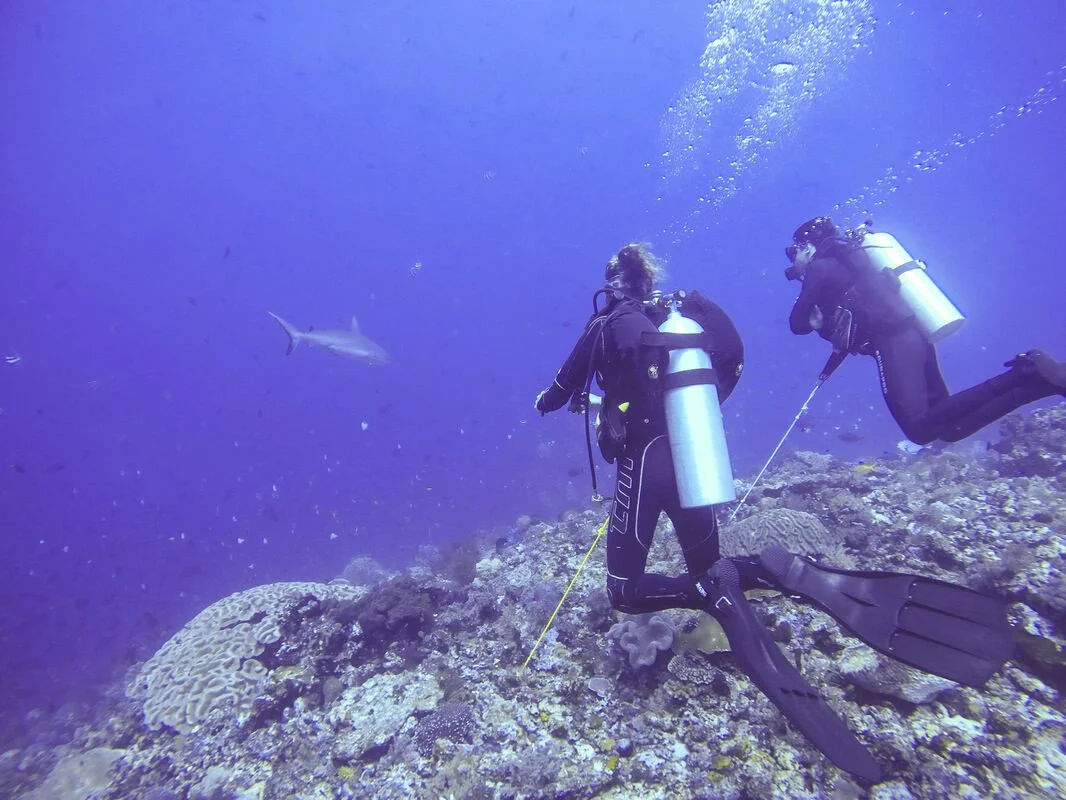
Is diving in Komodo difficult?
Diving in Komodo National Park can be more challenging than some destinations because of currents, but it is not difficult on every dive. Conditions vary considerably between sites, and experienced crews plan dives around tides, currents, and diver ability.
❓ Why Does Komodo Have a Reputation for Difficult Diving?
Many divers hear the same thing:
"Komodo has strong currents."
That is true.
However, what often gets missed is that Komodo includes a huge variety of dive sites with very different conditions.
Some dives involve:
Gentle drift diving
Moderate current
Calm reef exploration
Others can involve:
Stronger current
More advanced buoyancy control
Greater situational awareness
👉 This is why proper planning matters so much, as explained in How Liveaboard Dive Planning Improves Safety in Komodo.
🌊 Are All Dive Sites Challenging?
❓ Is every dive in Komodo difficult?
No.
One of the biggest misconceptions about Komodo is that every dive is high-current and demanding.
The reality is very different.
Throughout a trip you may experience:
Calm reef dives
Manta cleaning stations
Gentle drifts
Current-exposed pinnacles
Conditions vary throughout the day and between locations.
🐠 Why Currents Are Actually a Good Thing
❓ Why do divers want current?
The same currents that make Komodo famous also create its incredible marine life.
Currents bring:
Nutrients
Plankton
Fish
Larger marine life
This is why divers regularly encounter:
Sharks
Manta rays
Massive schools of fish
👉 Learn more in Komodo Marine Life Guide: Sharks, Manta Rays & Reef Ecosystems.
👨✈️ How Crews Reduce Difficulty
❓ How do liveaboards make diving easier?
A good crew does not simply drop divers into strong current.
Instead they:
Select suitable sites
Adjust timing
Monitor tides
Adapt to guest experience
👉 This process is explained in Behind the Scenes: How Dive Crews Plan Each Day in Komodo.
🌊 What Experience Do You Need?
❓ Can newer divers dive in Komodo?
For Liquid Adventures trips:
Advanced Open Water certification is required
Open Water certification alone is not sufficient
This requirement exists because some dives involve currents and changing conditions.
The goal is not to exclude divers.
The goal is to ensure everyone can enjoy the trip safely.
🐟 Real Experience: What First-Time Visitors Usually Say
From real trips:
"I expected every dive to be difficult, but many were far easier than I imagined."
"The currents were manageable because the guides explained exactly what to expect."
👉 This is one of the most common surprises among first-time visitors.
⚠️ What Actually Makes a Dive Difficult?
The biggest factors are:
Current strength
Diver experience
Buoyancy control
Comfort in the water
Difficulty is rarely determined by depth alone.
🌊 Why Small Groups Make a Difference
Smaller groups allow guides to:
Monitor divers more closely
Adjust pace
Provide individual attention
👉 This is one reason many divers prefer smaller operations, as explained in Why Small Group Diving in Komodo Changes Everything.
❓ Komodo Diving Difficulty FAQs
Is Komodo suitable for Advanced Open Water divers?
Yes. Advanced Open Water is the minimum certification required for Liquid Adventures Komodo trips.
Are all dives drift dives?
No. Some dives involve drift, while others are far more relaxed.
Are currents always strong?
No. Current strength changes continuously depending on tides and location.
Is Komodo harder than many other destinations?
Some sites can be more demanding, but conditions vary enormously and good planning makes a major difference.
🔥 Final Thoughts: Challenging Doesn't Mean Difficult
Komodo's reputation comes from its currents.
But currents are also the reason the diving is so spectacular.
With:
Good planning
Small groups
Experienced guides
Most divers find Komodo far more enjoyable and accessible than they expected.
👉 Plan Your Komodo Liveaboard Trip (June–September)
If you want:
World-class marine life
Small dive groups
Experienced local crews
Flexible dive planning
👉 Komodo trips operate from June to September and spaces fill quickly. Secure your preferred dates early.