🌏 Introduction: Strong Currents Don’t Mean Dangerous Diving
The reputation of Komodo National Park often scares divers before they even arrive.
They hear:
“Strong currents”
“Advanced diving”
“Wild conditions”
But what experienced divers know is this:
Strong currents don’t equal unsafe diving.
They equal structured, guided, well-managed drift diving — when handled correctly.
And Komodo operators manage currents every single day.
🧭 The First Rule: Currents Are Predictable
Komodo’s water movement follows tidal cycles.
Professional dive guides plan around:
Tide charts
Current direction
Entry timing
Exit zones
Surface conditions
Diver experience levels
This isn’t guesswork.
It’s calculated ocean reading.
Dives are chosen because they’re safe at that moment — not despite conditions.
⚓ How Dive Guides Control a Current Dive
A safe Komodo drift dive includes:
1. Controlled Entry
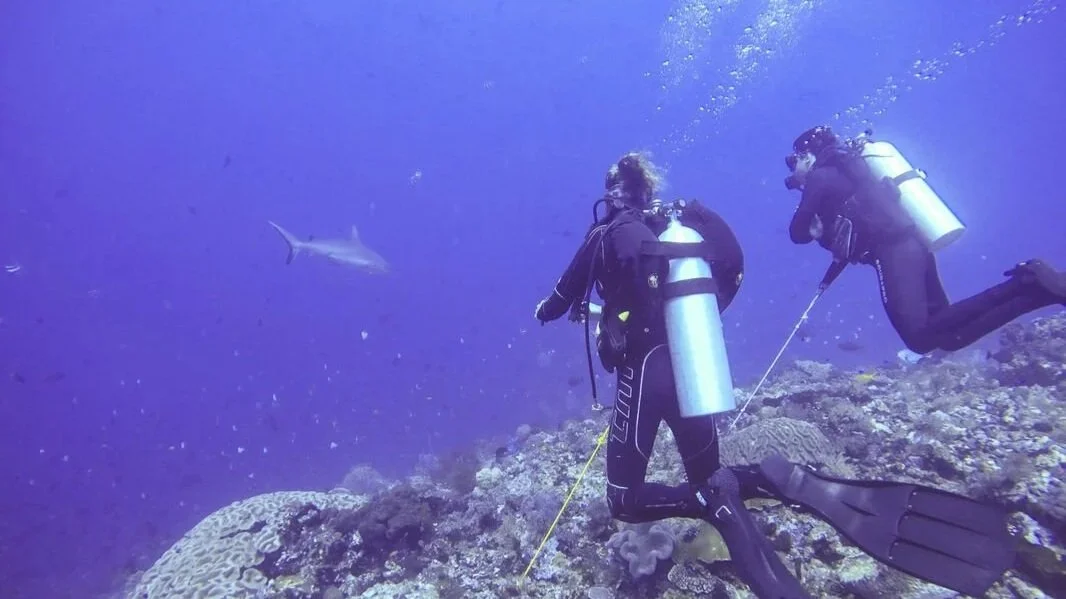
Divers enter together, often negative entry when needed, descending immediately to stable depth.
2. Positioning
The guide leads slightly ahead, choosing reef contours that reduce flow.
3. Natural Shelter
Coral bommies, rock formations, and walls create calm pockets.
Divers move from shelter to shelter, to protect from the current.
4. Planned Exit
The boat follows divers on the surface.
Pickup points are predetermined.
The current does the work.
🧠 Skills That Matter in Current Diving
Strong current diving isn’t about strength.
It’s about control.
Key skills include:
Neutral buoyancy
Streamlined body position
Calm breathing
Awareness of surroundings
Staying close to your guide
Divers who relax use less air, move smoother, and enjoy the ride.
Panic creates difficulty. Calm creates flow.
⚖️ Matching Dive Sites to Experience
Good operations never throw beginners into advanced sites.
Guides match:
Site selection
Timing
Depth
Current strength
…to the group onboard.
Some Komodo dives are calm and gentle.
Others are high-energy drift dives.
A liveaboard itinerary includes a mix — progressively building comfort.
🌊 Why Currents Actually Increase Safety
This surprises many divers.
Currents often improve safety because:
You move with water, not against it
Guides choose predictable flow
Visibility increases
Marine life stays concentrated
Drift prevents overexertion
It becomes efficient, not chaotic.
Swimming hard is more dangerous than drifting smoothly.
🛶 Surface Safety & Boat Tracking
Komodo dive boats operate with:
Surface markers
Constant visual tracking
Crew watching bubbles
Pickup readiness
The boat follows the dive from above.
You’re part of a moving system, not floating alone.
🌱 Comfort Comes From Trust
The first current dive is often psychological.
After one drift dive, divers usually say:
“That was easier than expected.”
Confidence grows quickly when divers trust:
Their guide
The plan
The system
Their own buoyancy
Komodo becomes exhilarating — not intimidating.
⚓ Why Liveaboards Are Safer for Current Diving
Liveaboards provide:
Flexible scheduling
Tidal timing precision
Smaller dive groups
Experienced crews
Immediate surface support
Day boats rush dives.
Liveaboards wait for the ocean.
That patience dramatically increases safety margins.
🌊 Strong Currents Are Komodo’s Superpower
Currents bring:
Big fish
Active reefs
Predator behaviour
Energy
Life
Learning to dive them safely unlocks the true Komodo experience.
The water moves — but the system around you is stable.
That’s the difference.