Scuba diving

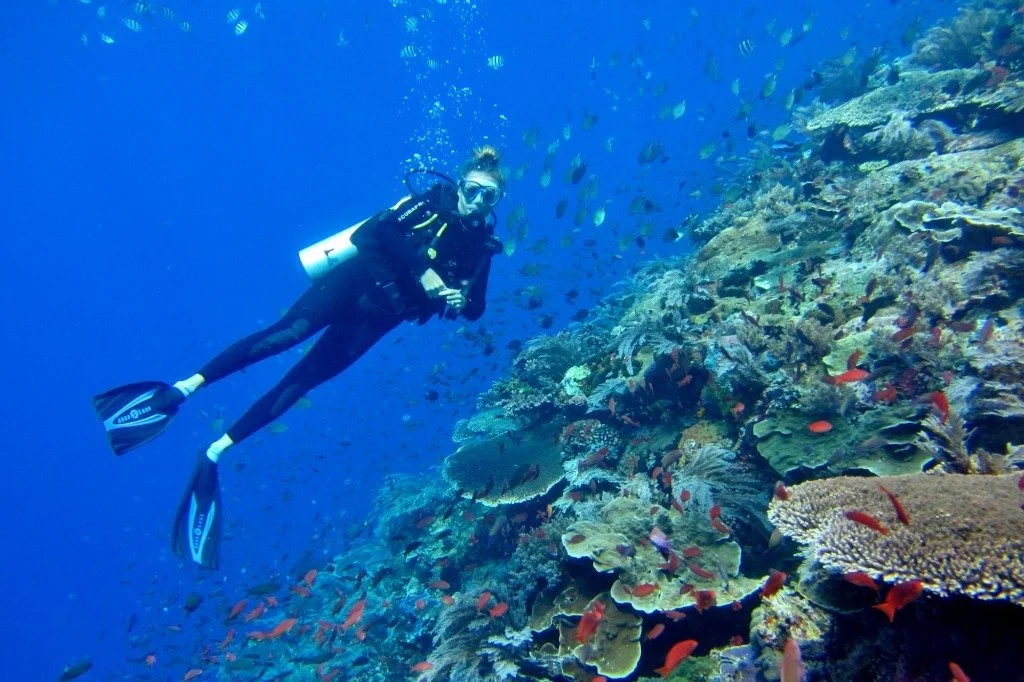
Why Small Group Diving in Komodo Changes Everything

Why Small Group Diving in Komodo Changes Everything

Is small group diving really better?

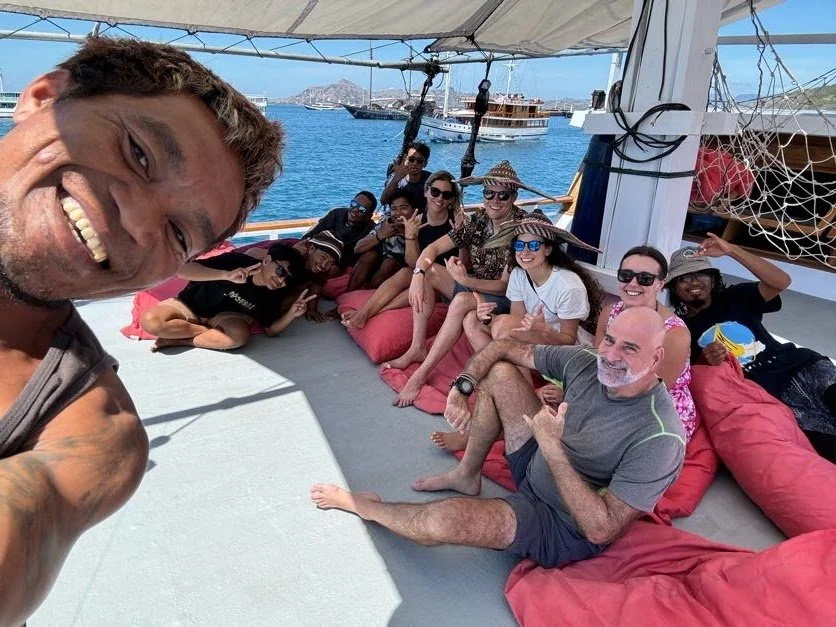
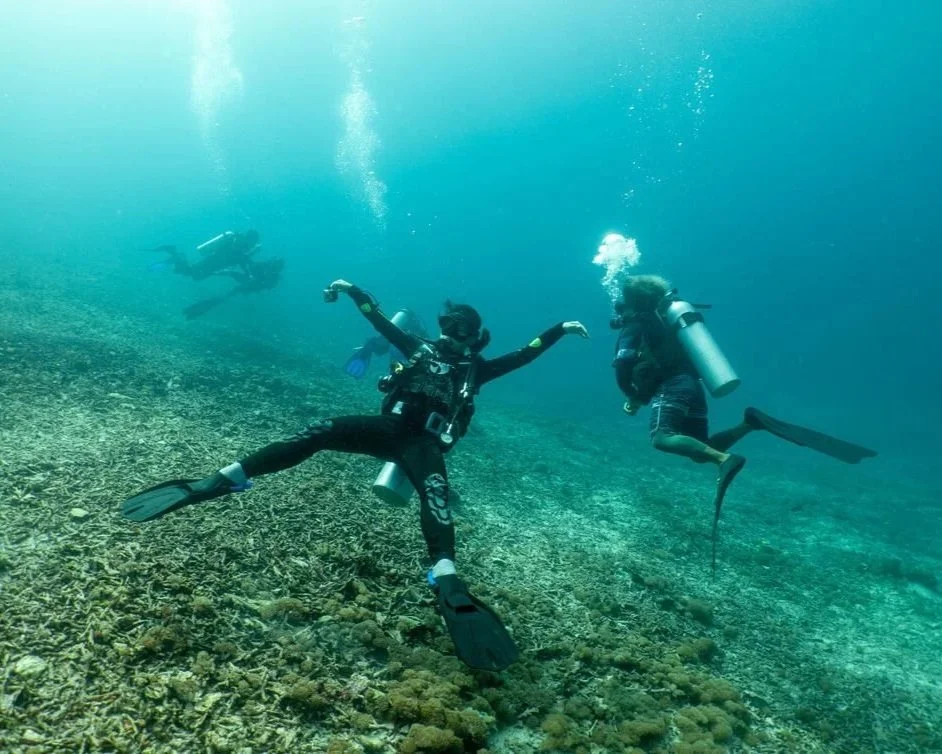
Yes. Small group diving allows for more personalised guidance, greater flexibility, improved safety, and a more relaxed experience. In a destination like Komodo National Park, where currents and conditions can change quickly, smaller groups often create significantly better dives.

Manta Rays in Komodo: Best Dive Sites, Conditions & What to Expect

Manta Rays in Komodo: Best Dive Sites, Conditions & What to Expect

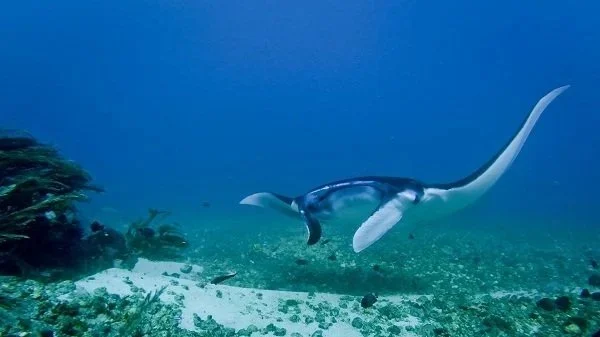
Where can you see manta rays in Komodo?

Manta rays are most commonly seen in Komodo National Park at sites like Karang Makassar (Manta Point) and Manta Alley. These sites work best when currents are flowing steadily, bringing plankton and creating ideal feeding conditions.

How Liveaboard Dive Planning Improves Safety in Komodo

How Liveaboard Dive Planning Improves Safety in Komodo

Why Dive Planning Matters in Komodo

Is diving in Komodo safe?

Yes — but only when it’s planned properly.

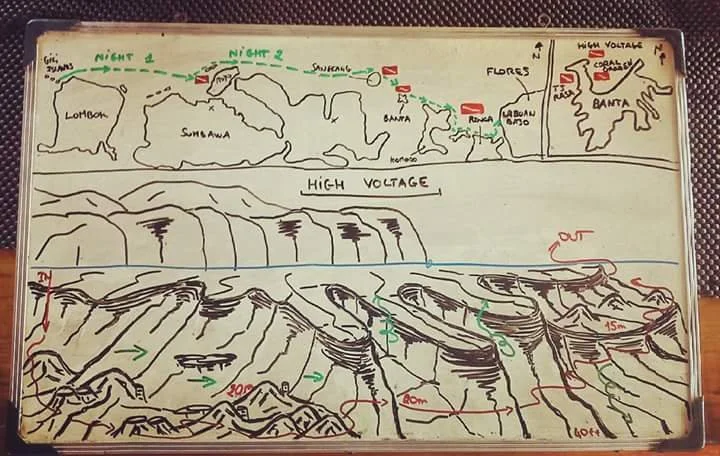
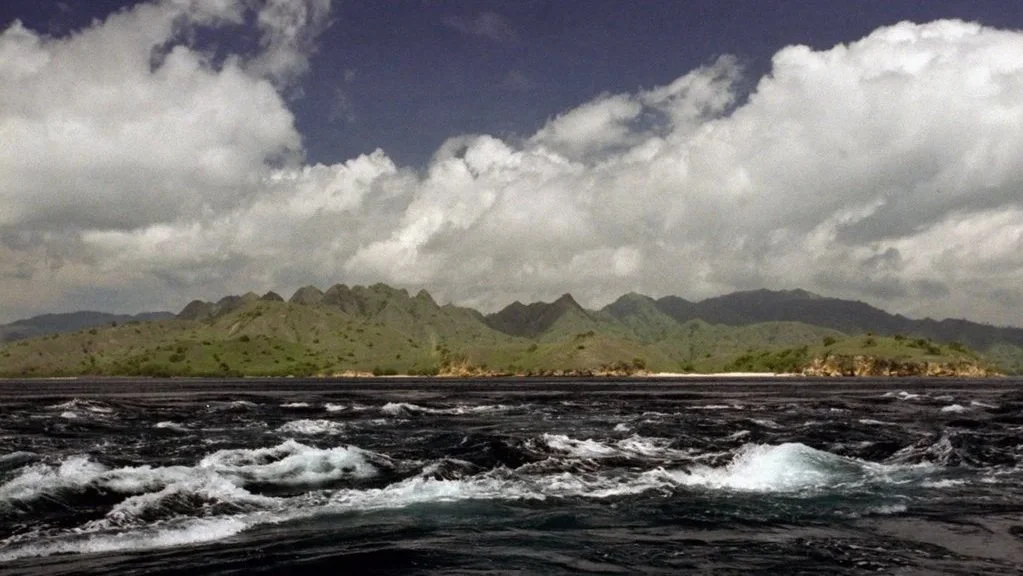
Diving in Komodo National Park is not like diving in calm, predictable environments. The region is driven by powerful tidal exchanges, meaning conditions can change dramatically within hours.

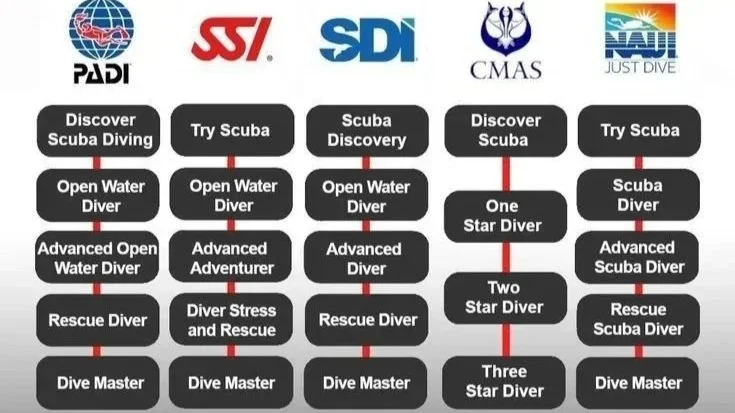
What Certification Do You Really Need for Komodo Diving?

What Certification Do You Really Need for Komodo Diving?

Introduction: Can You Dive Komodo?

One of the most common questions about Komodo National Park is:

👉 Do I need to be an expert diver?

The answer is no.
But Komodo is not a beginner training destination either.

It sits in a middle ground:

👉 accessible to many divers
👉 but best suited to those who are comfortable underwater

Understanding the real requirements helps you enjoy the experience — instead of worrying about it.

Understanding Komodo Sea Conditions

Understanding Komodo Sea Conditions

Introduction: Why Conditions Matter in Komodo

Diving in Komodo National Park is shaped entirely by the ocean.

Unlike many destinations where conditions stay consistent, Komodo changes daily.
Currents shift. Visibility evolves. Water temperature fluctuates.

Understanding these elements doesn’t just improve your dives — it helps you understand why Komodo is one of the most biologically rich marine environments on Earth.

Is Diving in Komodo Safe? Understanding Real Conditions

Is Diving in Komodo Safe? Understanding Real Conditions

Introduction: Why This Question Matters

Many divers researching Komodo National Park ask the same question:

👉 Is diving there safe?

The short answer is yes.
But Komodo is not a passive reef destination.

It is a living marine environment shaped by tides, geography and nutrient-rich currents.
Understanding how conditions work — and how professional liveaboard teams manage them — is what makes the difference between uncertainty and confidence.

Best Komodo Dive Sites for Drift Diving

Best Komodo Dive Sites for Drift Diving

Introduction: Drift Diving Is the Language of Komodo

Drift diving isn’t a side activity in Komodo National Park — it’s the heartbeat of the ecosystem.

Reefs here evolved with moving water. Fish expect current. Coral thrives in flow. Predators patrol the edges.

For divers, this means some of the most dynamic underwater experiences on Earth — when guided correctly and timed with the tides.

This guide highlights the Komodo sites where drift diving is not just possible… it’s spectacular.

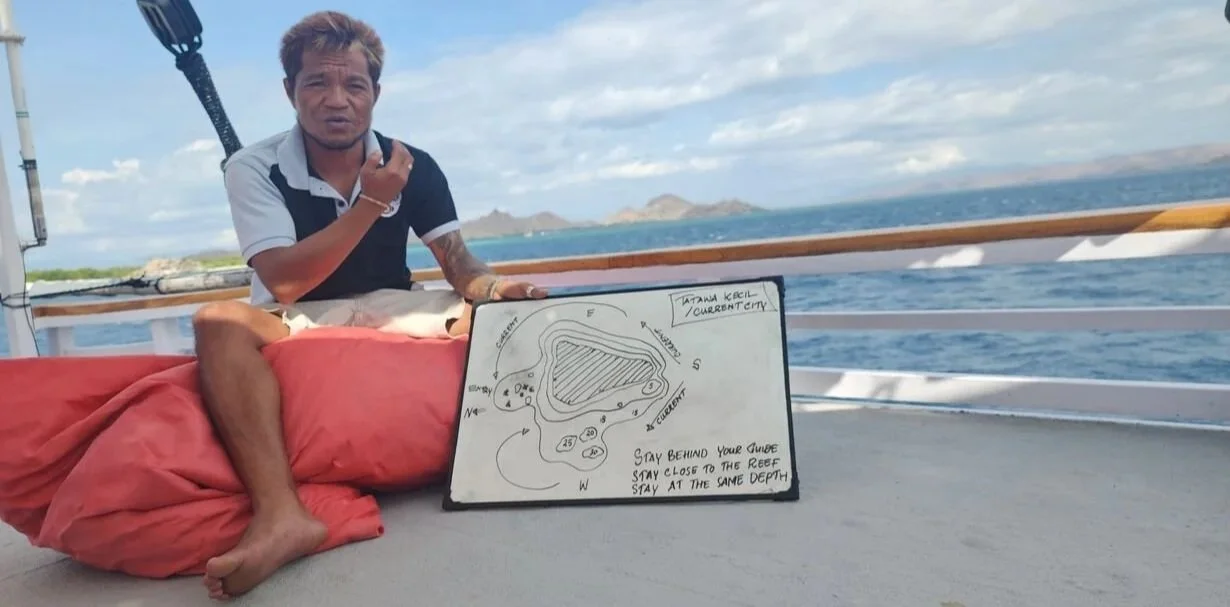
How to Dive Safely in Strong Currents

How to Dive Safely in Strong Currents

Introduction: Strong Currents Don’t Mean Dangerous Diving

The reputation of Komodo National Park often scares divers before they even arrive.

They hear:

“Strong currents”
“Advanced diving”
“Wild conditions”

But what experienced divers know is this:

Strong currents don’t equal unsafe diving.

They equal structured, guided, well-managed drift diving — when handled correctly.

Komodo Currents Explained

Komodo Currents Explained

Introduction: Why Komodo Feels Alive Underwater

Divers don’t talk about Komodo quietly.

They talk about it like a force of nature.

The reason is simple: currents.

In Komodo National Park, water doesn’t sit still. It moves with purpose — pulling nutrients, fish, predators, and life through narrow channels between islands.

Currents are not a side feature of Komodo.

They are the engine that powers everything you see underwater.

The Top Dive Sites in Komodo National Park You Can’t Miss

The Top Dive Sites in Komodo National Park You Can’t Miss

What are the best dive sites in Komodo National Park?

Komodo National Park is a diver’s paradise — a dynamic mix of thrilling currents, untouched coral gardens, and some of Indonesia’s most iconic underwater encounters. Whether you’re drifting through fish-filled channels or hovering over manta cleaning stations, these are the dive sites that keep experienced divers coming back year after year.

When to Dive Raja Ampat: Best Seasons for an Unforgettable Trip

When to Dive Raja Ampat: Best Seasons for an Unforgettable Trip

Introduction: Timing Your Raja Ampat Adventure

Raja Ampat is beautiful year-round, but seasonality matters when you’re planning a dive trip to this remote paradise. Conditions vary slightly across the year, influencing visibility, manta migrations, and even surface conditions. Knowing when to go ensures you’ll get the most out of your dives.

With Liquid Adventures Indonesia, we plan our Raja Ampat itineraries to match the best diving windows—so whether you’re joining us in 2026 or 2027, you’ll experience Raja Ampat at its most spectacular.

Scuba Diving in Raja Ampat: Why It’s Indonesia’s Ultimate Underwater Experience

Scuba Diving in Raja Ampat: Why It’s Indonesia’s Ultimate Underwater Experience

Introduction: A Diver’s Paradise Like No Other

Few places in the world stir a diver’s imagination quite like Raja Ampat. Known as the epicenter of marine biodiversity, this remote Indonesian archipelago is home to breathtaking coral reefs, pelagic encounters, and kaleidoscopic macro life.

If Komodo thrills with current-driven dives, Raja Ampat stuns with sheer diversity. It’s no surprise many divers call it the ultimate underwater experience.

The Top 5 Dive Sites in Raja Ampat You Can't Miss

The Top 5 Dive Sites in Raja Ampat You Can't Miss

Introduction:

Welcome to Raja Ampat—Indonesia’s marine paradise and one of the most biodiverse ecosystems on the planet. Nestled in the heart of the Coral Triangle, Raja Ampat boasts more than 1,500 islands, crystal-clear waters, and the highest recorded marine life diversity on Earth.

Whether you’re a seasoned diver or planning your first liveaboard experience, Raja Ampat delivers unforgettable encounters—from wobbegongs and pygmy seahorses to mantas and swirling schools of fish. But with so many incredible sites, where should you dive first?

What Makes a Komodo Liveaboard So Special? A Diver’s Deep Dive

What Makes a Komodo Liveaboard So Special? A Diver’s Deep Dive

Introduction: Why Komodo by Liveaboard?

Komodo isn’t just another dive destination—it’s one of the most thrilling places on Earth to scuba dive, where dragons roam on land and manta rays glide in currents below.

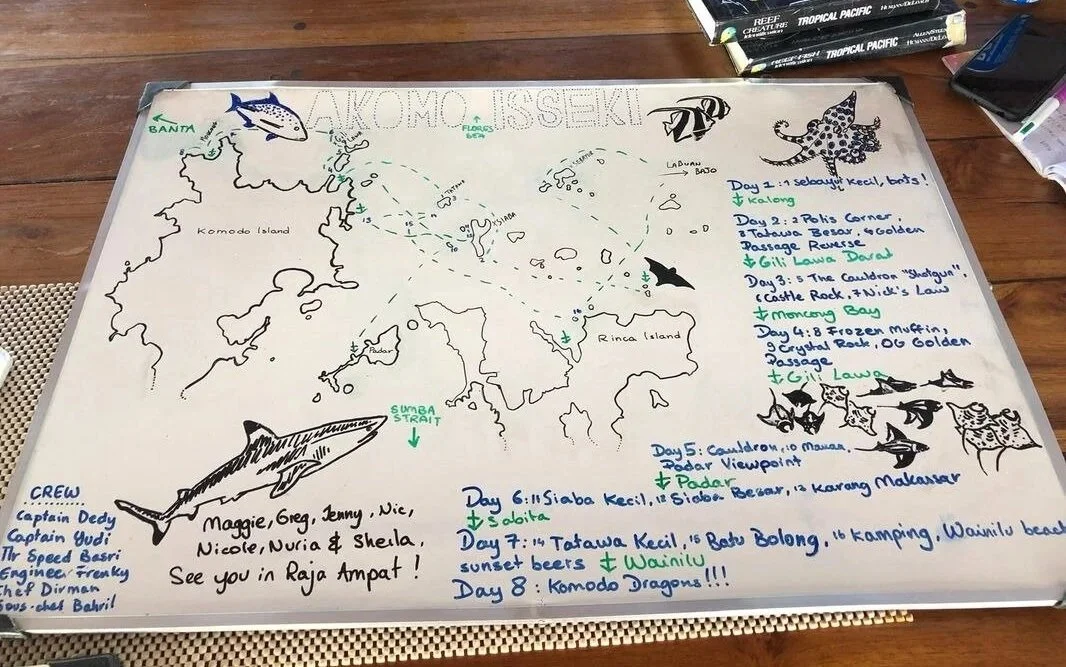
The secret to experiencing it at its best? A Komodo liveaboard. Unlike day trips, liveaboards give you access to the remotest dive sites, sunrise dives before anyone else arrives, and the freedom to explore Komodo National Park from north to south.